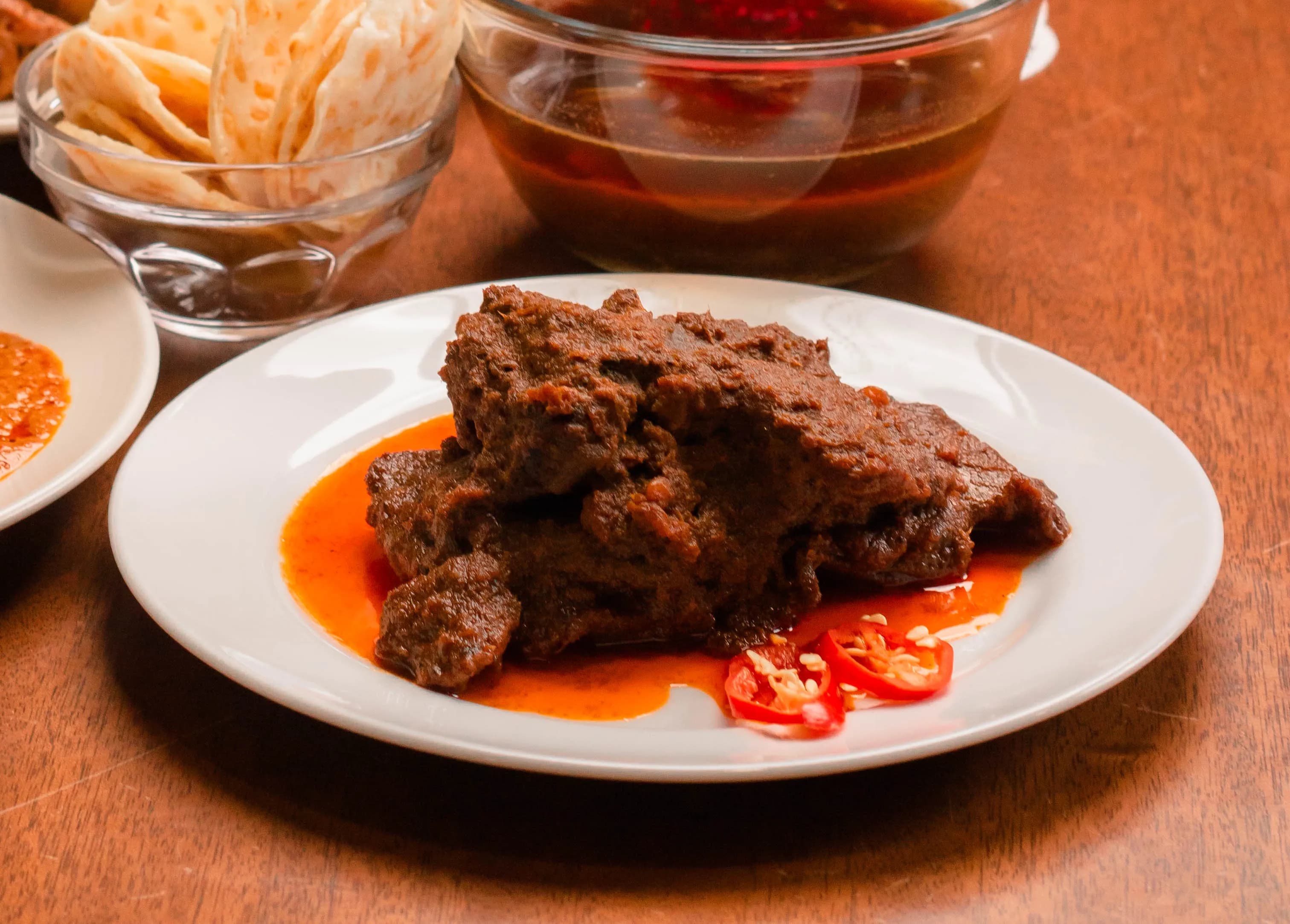
A pot of pork ribs simmering in garlic and herbs doesn't sound like the kind of thing Parliament would argue about, but that's exactly what happened in February 2024, when bak kut teh (herbal pork rib soup) got officially listed as one of Malaysia's national heritage dishes and somehow turned into a week-long debate about race and religion.
That the soup survived the debate intact — and is still doing brisk business in Klang, Kuala Lumpur, and everywhere in between — tells you something about how deeply bak kut teh sits in Malaysian food culture. It's a dish with a contested birthplace, two very different regional personalities, a halal workaround industry of its own, and a fan base that will happily drive an hour before breakfast just to get the "right" bowl.
This guide covers what's actually in the pot, why Klang and Kuala Lumpur can't agree on how it should taste, the halal question people genuinely ask, and how to order it so you don't look like you're guessing.
What's Actually In The Pot
Despite the name, there is no tea in bak kut teh. The "teh" most likely refers to the strong oolong tea traditionally drunk alongside the soup, believed to help cut through the fat and aid digestion after a heavy, oily meal — not an ingredient in the broth itself.
What's actually in the pot is pork ribs (or belly, tripe, intestine, or pig's stomach for the adventurous), simmered for hours in a broth built from garlic and a herb blend that typically includes star anise, cinnamon, cloves, dong quai, and fennel seed. Some stalls use their own house blend of up to 16 herbs, refined over decades. The result is peppery, faintly medicinal, and deeply savoury rather than sweet.
Rice is non-negotiable. Most people order a bowl of steamed rice on the side and spoon broth over it as they go, alternating between soup, meat, and rice rather than treating any of the three as separate courses.
Klang Started It, But Kuala Lumpur Has Opinions
Klang, the royal town in Selangor about 40 minutes from central Kuala Lumpur, is widely credited as the birthplace of bak kut teh, and Tourism Selangor leans into that with claypot specialists and heritage food trails. One popular origin story credits a port worker's tonic recipe from the early 20th century, brewed to sustain coolies at Port Klang; another traces it to Fujian immigrants who arrived in the 1930s and 40s. Neither can be fully verified, and locals still argue about it the way people argue about who invented rendang.
The dish's Malaysian-ness became an actual diplomatic talking point in 2009, when a Malaysian tourism minister publicly said neighbouring countries had "hijacked" several Malaysian dishes, bak kut teh included — a reference to Singapore's own strong claim on the soup.
Regionally, the two dominant styles taste noticeably different. Kuala Lumpur's version leans towards a Teochew style: lighter, peppery, with a clearer broth and a heavier hand with garlic. Klang's version, by contrast, is darker, more herbal, and closer to a medicinal tonic — the one locals will tell you is the "original."
Soup, Dry, or Somewhere In Between
Once you've picked a side in the Klang-versus-KL argument, there's a second decision: soup or dry.
The soup version is the classic claypot format — ribs and other cuts sitting in a dark, herbal broth, topped up as you eat. The dry version, a Klang innovation that's grown popular across the country, reduces that same broth into a thick, almost stew-like gravy, then stir-fries the meat with dried chillies, wolfberries, dried squid, and sometimes okra. It's tangier and sharper than the soup version, and some Malaysians swear by it as a hangover cure, though that claim lives more in folklore than in any clinical study.
Restaurants recognised in the MICHELIN Guide Malaysia's Bib Gourmand list, including long-running Kuala Lumpur shops, often serve both versions side by side, letting diners compare the mild, herb-forward soup against the richer, spicier dry style in one sitting.
The Halal Question (And Why It Ended Up In Parliament)
Bak kut teh's default recipe uses pork, which makes it non-halal in its traditional form. That hasn't stopped it from becoming a genuinely cross-community dish: halal versions using beef or chicken in place of pork are widely available, and vegetarian versions built around oyster mushroom exist too. As with any halal claim, the only way to be certain is to check for a valid halal certification at the specific outlet, since naming alone doesn't guarantee anything.
The naming itself is part of the tension: Malaysia's halal certification process has historically treated dish names containing "bak" (a Hokkien term for meat, colloquially linked to pork) as confusing to Muslim consumers regardless of actual content — part of why halal spin-offs often use entirely different names.
That backdrop made February 2024 combustible. The Heritage Commissioner listed bak kut teh among ten dishes recognised as national heritage food under the National Heritage Act 2005, alongside nasi ambeng and mi kolok. Some political figures, including an Umno Youth leader, questioned whether a pork-based dish should carry that status. The tourism minister at the time, Tiong King Sing, pushed back, saying the recognition followed heritage law rather than race or religion, and that halal and non-halal versions of the dish coexist in Malaysia. The listing stood — a small, telling episode in how food, identity, and politics tangle together here, echoing the dynamics in kopitiam versus mamak.
How To Order It Like You've Done This Before
Bak kut teh is traditionally a morning or early-afternoon dish rather than a dinner one, so don't be surprised if some stalls wind down by mid-afternoon.
Start by picking your cut — ribs are the default and safest choice, though many stalls also offer pork belly, lean meat, pig's tail, or offal for the fuller experience. Order rice as standard, plus you tiao (fried dough fritters) if available, for dipping straight into the broth.
Once the bowl arrives, taste the broth on its own first before mixing in rice, chilli, or garlic. From there, most regulars build their own version of the condiments: chopped bird's eye chilli in soy sauce, extra crushed garlic, or a splash of dark soy stirred straight into the bowl. Order a pot of Chinese tea, traditionally oolong, to drink alongside — it's genuinely useful for cutting through the oiliness of the broth over a long meal, not just tradition for its own sake.
This etiquette-heavy approach to ordering isn't unique to bak kut teh — see how it plays out with nasi kandar, or across regional bowls in this guide to laksa styles around Malaysia.
FAQ
Is bak kut teh halal?
The traditional version uses pork and is not halal. Halal versions exist using beef, chicken, or mushroom as substitutes, but halal status depends entirely on the specific outlet's certification — always check rather than assume, especially since dish names don't reliably indicate certification status.
What's the real difference between Klang and Kuala Lumpur bak kut teh?
Klang's version, considered the dish's birthplace style, is darker, more herbal, and closer to a medicinal tonic. Kuala Lumpur's version leans Teochew-style: lighter, peppery, with a clearer broth and more garlic.
What do you eat with bak kut teh?
Steamed rice is standard, spooned broth-side as you eat. You tiao (fried dough fritters) are the classic dip-along, and many diners add their own chopped chilli in soy sauce, crushed garlic, and a pot of oolong tea on the side.
Is dry bak kut teh the same dish as the soup version?
They share the same herb base, but dry bak kut teh reduces the broth into a thick, stir-fried gravy with dried chillies, wolfberries, and sometimes dried squid, giving it a tangier, sharper flavour than the clear soup version.
Why did bak kut teh become a political debate in Malaysia?
In February 2024, it was listed as a national heritage dish under the National Heritage Act 2005, prompting some political figures to question whether a pork-based dish should hold that status. The tourism minister at the time clarified the listing followed heritage law rather than race or religion, noting halal and non-halal versions both exist in Malaysia.