Walk into any Klang Valley mall from late August onward and you'll know Mid-Autumn Festival is coming before anyone says a word — the mooncake counters go up first, weeks ahead of the actual date. This year, the festival itself falls on 25 September 2026, the fifteenth day of the eighth lunar month, and while it isn't a public holiday in Malaysia, that hasn't stopped it from being one of the most visibly celebrated dates on the Malaysian Chinese calendar.
What's easy to miss under all the retail mooncake marketing is that the festival is built on genuinely old customs, several of which are still practised — quietly, without ceremony — by families across the country. Here are seven worth knowing.
1. The Mooncake, Sliced and Shared
The mooncake itself is non-negotiable. Traditionally filled with lotus seed paste and a salted egg yolk (meant to echo the full moon), it's dense, rich, and designed to be cut into small wedges and shared among the family rather than eaten whole by one person. In Malaysia, the tradition has expanded well beyond the classic baked version — snowskin mooncakes, kept chilled rather than baked, are now just as common on local tables, alongside durian, pandan, and even chocolate variations built for local tastes.
2. Lanterns for the Kids, Not Just the Photos
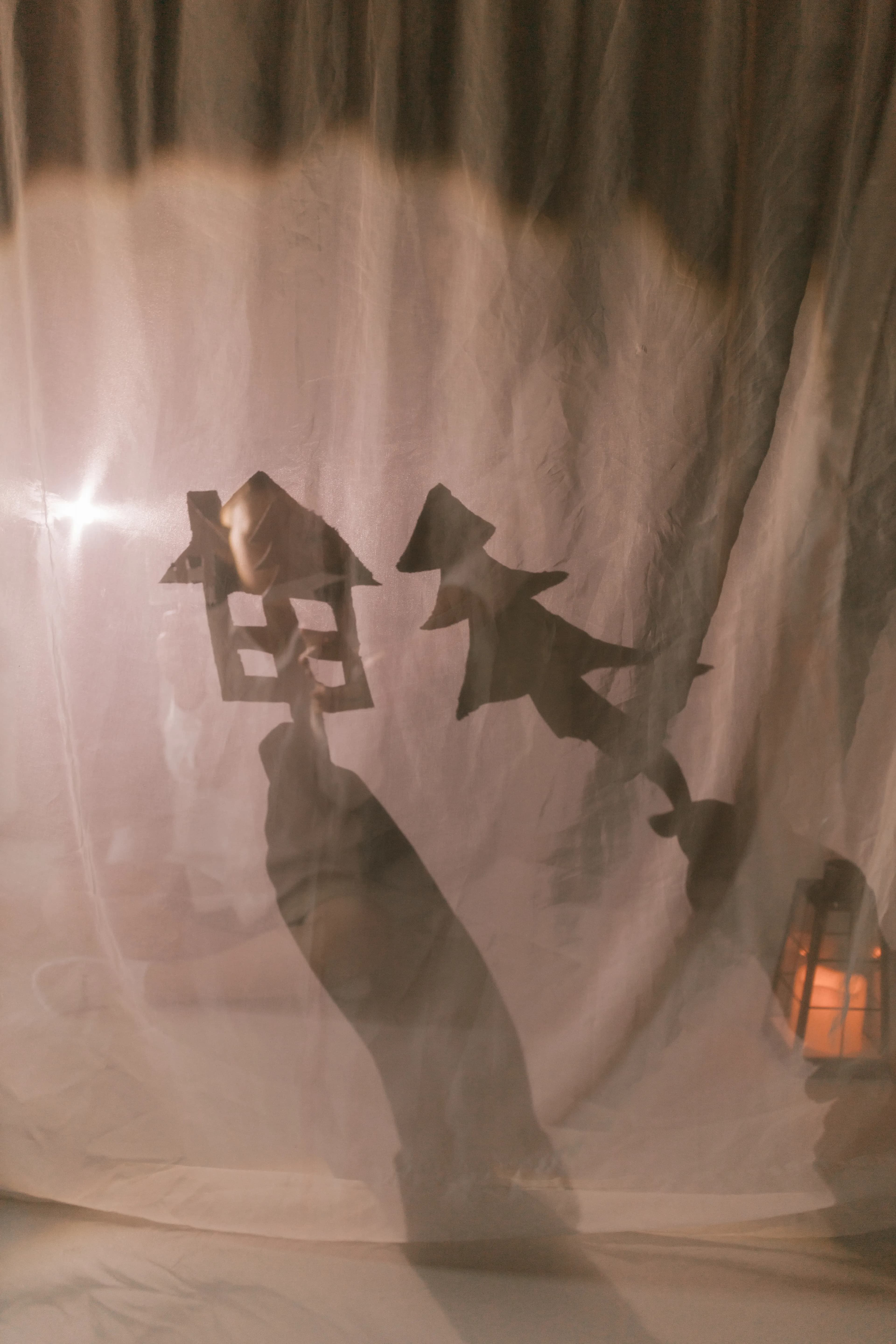
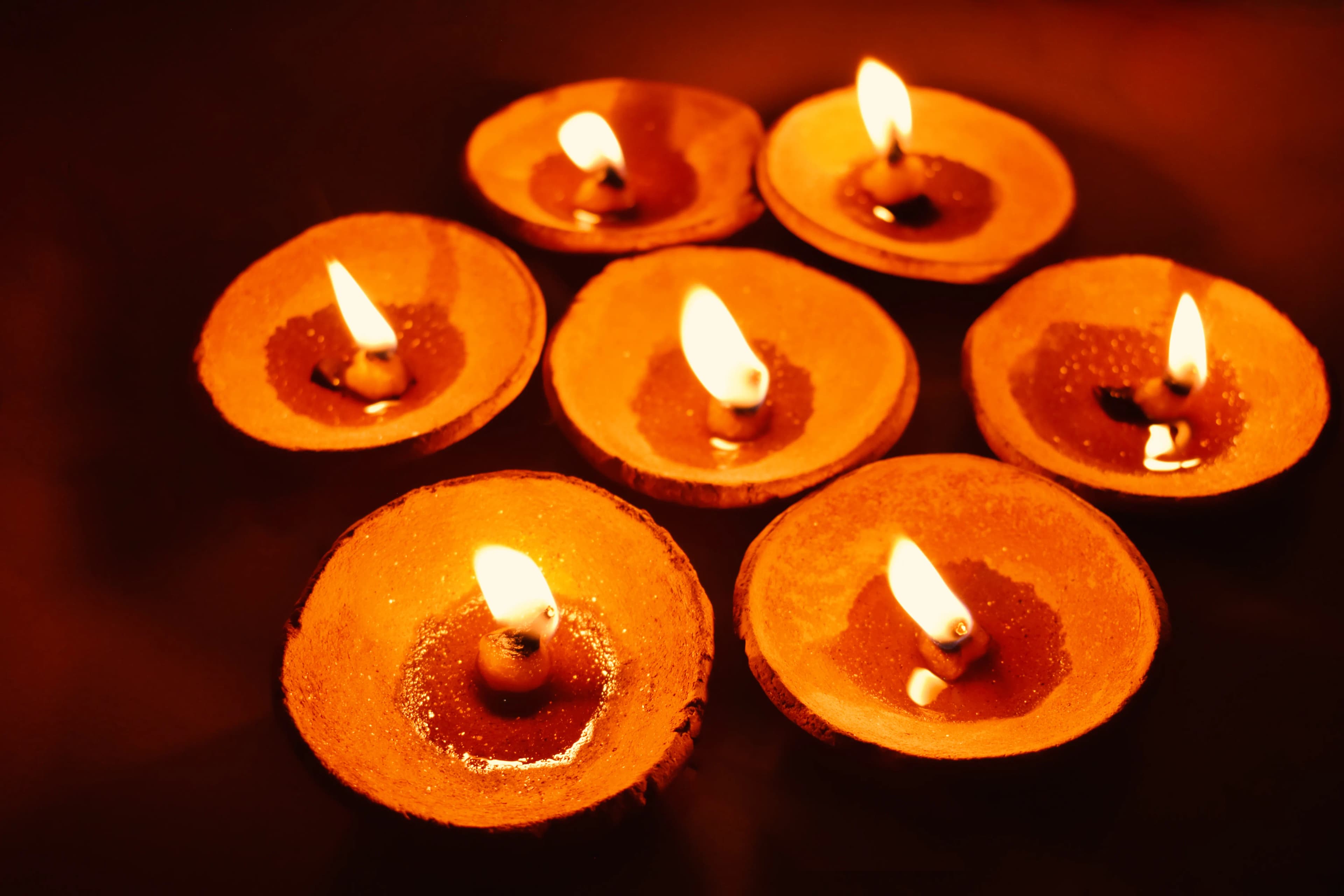
Paper lanterns — traditionally shaped like rabbits, fish, or stars, and lit with a small candle — are handed to children to carry through housing estates and community grounds after dark. In today's Malaysia, most of those candles have been swapped for battery-powered LED versions for safety, and the lanterns themselves range from traditional paper to inflatable, glow-in-the-dark plastic designs sold at pasar malam stalls in the weeks before the festival. The ritual hasn't changed much: kids out after dinner, lanterns swinging, parents trailing a few steps behind.
3. Family Reunion Dinners
Like Chinese New Year on a smaller scale, Mid-Autumn Festival is built around the idea of reunion — the full moon symbolising a complete, unbroken family circle. Many households still hold a proper dinner on the night itself, often followed by mooncakes and tea eaten together outdoors or on a balcony, specifically timed so everyone can look up at the moon while eating.
4. Pomelos on the Table
Alongside mooncakes, pomelos are a near-universal fixture of the festival spread. The fruit is in season around this time of year, and its round shape carries the same symbolism as the mooncake and the moon itself — wholeness and family unity. Some households peel the rind into a makeshift hat for children to wear, a small, low-effort tradition that's stuck around simply because kids enjoy it.
5. Tang Yuan and Sweet Soups, in Some Households
Less universal than mooncakes but still present in some Malaysian Chinese homes, especially those with Teochew or Hokkien heritage, are sweet dessert soups served during the reunion dinner — sometimes tang yuan (glutinous rice balls), sometimes a simple sweet ginger or lotus seed soup. It's a regional variation rather than a nationwide rule, but where it exists, it's taken seriously.
6. Riddle-Guessing on Lanterns
A quieter, more literary tradition — writing riddles on paper and pasting them onto lanterns for others to solve — survives mostly in community and school events rather than individual households today. Chinese associations and some tuition centres and community halls in Malaysia still run lantern riddle activities around the festival, often alongside mooncake-tasting sessions, as a way of keeping the tradition visible for younger generations who might otherwise only know the festival through the food.
7. Worship and Offerings to the Moon
For more traditional or religious households, the festival includes a moon-worship element — offerings of mooncakes, fruit, and incense laid out under the open sky, historically tied to harvest gratitude and, in some tellings, to the legend of Chang'e, the woman said to have floated to the moon after drinking an elixir of immortality. This is observed with varying degrees of formality depending on the family; some hold a proper ceremony, others simply set food out on a table facing the sky.
A Local Twist: Malaysia's Own Mooncake Flavours
Every year around this time, hotel bakeries and heritage confectioners across Malaysia and Singapore quietly turn Mid-Autumn Festival into a small culinary competition. Alongside the traditional lotus paste and salted egg yolk, Malaysian mooncake counters routinely stock durian versions (a genuinely local variation that puzzles visitors and delights everyone else), pandan-flavoured skins, and combinations built around local tastes that wouldn't exist anywhere else in the mooncake-eating world. It's become such a fixture of the season that some households now judge the festival's arrival less by the lunar calendar and more by which hotel has released its flavour lineup first.
A Festival That Adapts Without Disappearing
None of these traditions look exactly the way they did a generation ago — the candles are LEDs now, the mooncakes come in flavours nobody's grandmother would recognise, and half the "lantern walk" ends up as a photo for the family group chat. But the underlying idea, family gathered under the same moon, has proven sturdy enough to survive the modernising. That's arguably why it's still worth marking, even without a day off work to do it.
FAQ
Is Mid-Autumn Festival a public holiday in Malaysia?
No. Unlike Chinese New Year, Mid-Autumn Festival is not a gazetted public holiday in Malaysia, though it's widely observed by the Chinese community and heavily marked by malls and retailers.
When is Mid-Autumn Festival in 2026?
It falls on 25 September 2026, the fifteenth day of the eighth month of the Chinese lunar calendar, which is why the date shifts each year on the Gregorian calendar.
What's the difference between baked and snowskin mooncakes?
Baked mooncakes have a firm, browned pastry crust and are traditionally filled with lotus seed paste and salted egg yolk. Snowskin mooncakes use a soft, glutinous rice flour skin and are served chilled rather than baked, making them a popular modern variation in Malaysia and Singapore.
Why do people give mooncakes as gifts in Malaysia?
Gifting mooncakes to family, friends, and business contacts ahead of the festival is a long-standing custom tied to the same idea of sharing and reunion that anchors the celebration itself, and it's become a significant retail season for hotels and bakeries in the weeks leading up to the date.
For more on the festivals and communities that make up Malaysia's cultural calendar, see our pieces on getai and the Hungry Ghost Festival and on Baba Nyonya heritage.
According to Malaysia's official tourism board, the Mid-Autumn Festival remains one of the most widely observed Chinese celebrations in the country even without public holiday status, and PublicHolidays.com.my confirms the 25 September 2026 date based on the lunar calendar.