Every few years, someone declares wayang kulit Kelantan a dying art, and everyone nods. The 2026 reporting says something more specific, and more fixable: the audience is still there, but the paperwork and the apprenticeship pipeline are not.
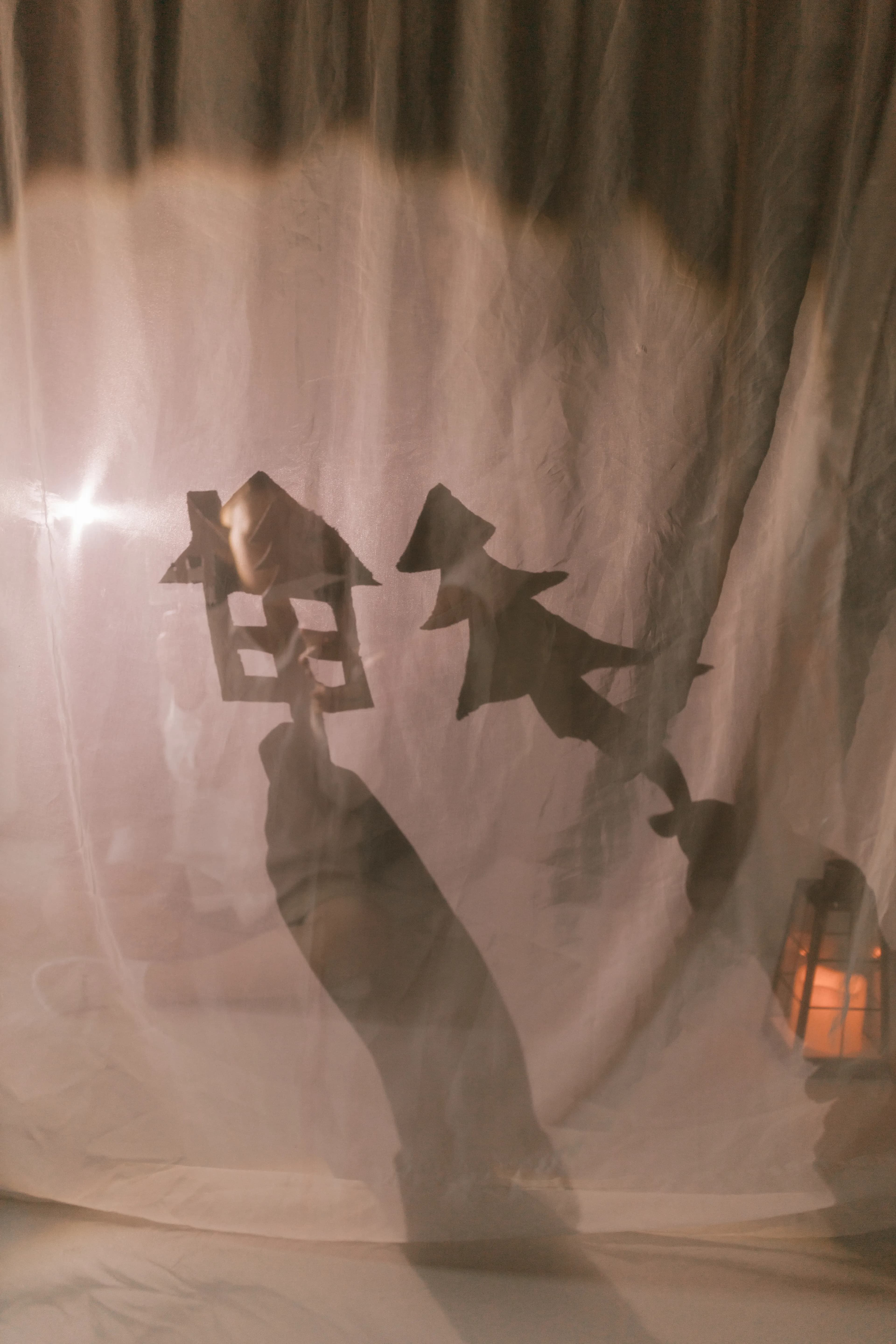
That is a different problem from "nobody cares", and it deserves a different conversation. Wayang kulit is a shadow puppet theatre, performed by a tok dalang (puppeteer and narrator) behind a lit screen.
The "dying art" story about wayang kulit Kelantan is the wrong diagnosis
"Dying" suggests the public lost interest. The practitioners quoted in 2026 do not say that.
Mohammad Hafiza Che Ya, known as Pak Cu, has 30 years as a tok dalang in Kampung Kubang Rawa. He told Malay Mail in July 2026: "In terms of audience or interest, there are still many. The challenge now is obtaining performance permits."
The same report says permits have become harder to obtain, particularly at village level. That is a logistics problem. Audiences do not help if the show cannot be staged.
What the numbers say
The headline figures are small. Malay Mail reports only three senior tok dalang still active in Kota Bharu, with three more in training. Most of the older generation have died.
Six people is not a tradition at scale. It is a short bench. Pak Cu's own worry, in his words: "I am worried that without continuous efforts, this art form will shrink in the coming years."
He has asked for financial assistance, guidance and performance opportunities. Those are requests for infrastructure, not applause.
The art form has also adapted. The report says contemporary performances are Syariah-compliant, with ritualistic elements removed, and that modern comedy and current issues have been worked into the dialogue to reach wider audiences.
A Peranakan Chinese family in Kok Lanas
One of the more unusual stories comes from Malay Mail's report in September 2026. The Kang family of Kok Lanas runs a troupe under the Sri Cindayu Wayang Kulit Association, founded by Kang Boon Ann, known as Che Ann, who is 58.
Che Ann says he has been interested since he was seven. He studied puppet-making for a year under the late Dollah Baju Merah, and performance for three years under Dollah Ramboo.
His wife, daughter and son are part of the troupe. His daughter, Lily, began training at 14. She told the paper: "It would be such a waste if we did not continue this legacy." His son, Aaren, put it this way: "Wayang kulit puppets are lifeless objects. We are the ones who bring them to life."
The troupe promotes itself on TikTok, runs school workshops and has added digital sound effects. They perform at venues including the Tok Bali Jetty in Pasir Puteh.
Whatever one thinks of the modernisation, it is a survival model: family labour, short videos, school contact and a repertoire that adapts. That is not a lot, but it is more than a permit form alone can offer.
A ban that ended in 2019, with conditions
Part of the backdrop is history. Kelantan banned several traditional performances, including Mak Yong, menora, wayang kulit and main puteri, on the stated ground that they were un-Islamic. Malay Mail reported in 2019 that the state lifted the Mak Yong ban after about two decades.
Deputy Mentri Besar Mohd Amar Nik Abdullah announced the change on 25/09/2019. Conditions were that performances be Shariah-compliant, that performers cover up, that there be no element of worship, and that the state government and religious department continue to monitor. UNESCO had proclaimed Mak Yong as intangible cultural heritage in 2005.
Different Malaysians read that history differently. It is reported here as what was announced, not as a verdict.
What to take from this
Heritage talk usually jumps to audiences: go watch, post it, share it. That helps, but the reporting points to three less glamorous levers: permits that are workable at village level, apprenticeships with funding behind them, and venues willing to book.
Those are slower to fix than a hashtag. They are also where the bottleneck is, according to the people doing the work.
If you like this tradition, read about other living forms, such as dikir barat, Kelantan's call-and-response folk tradition, pantun, UNESCO heritage most Malaysians meet at weddings, or silat, on the UNESCO list.
FAQ
What is wayang kulit Kelantan?
A shadow puppet theatre from Kelantan, performed by a tok dalang. Malay Mail reports it came via India, Cambodia and Thailand, with stories adapted to Malay culture.
How many tok dalang are left in Kelantan?
Malay Mail reported in July 2026 that three senior tok dalang remain active in Kota Bharu, with three in training. That figure covers Kota Bharu, not the whole state.
Is wayang kulit banned in Kelantan?
Wayang kulit was among the forms the state banned. In 2019 the state lifted the Mak Yong ban with conditions, and 2026 performances are reported as Syariah-compliant.
Who is keeping wayang kulit alive?
Several tok dalang, including Pak Cu in Kampung Kubang Rawa, and the Kang family of Kok Lanas, who run a troupe under the Sri Cindayu Wayang Kulit Association.