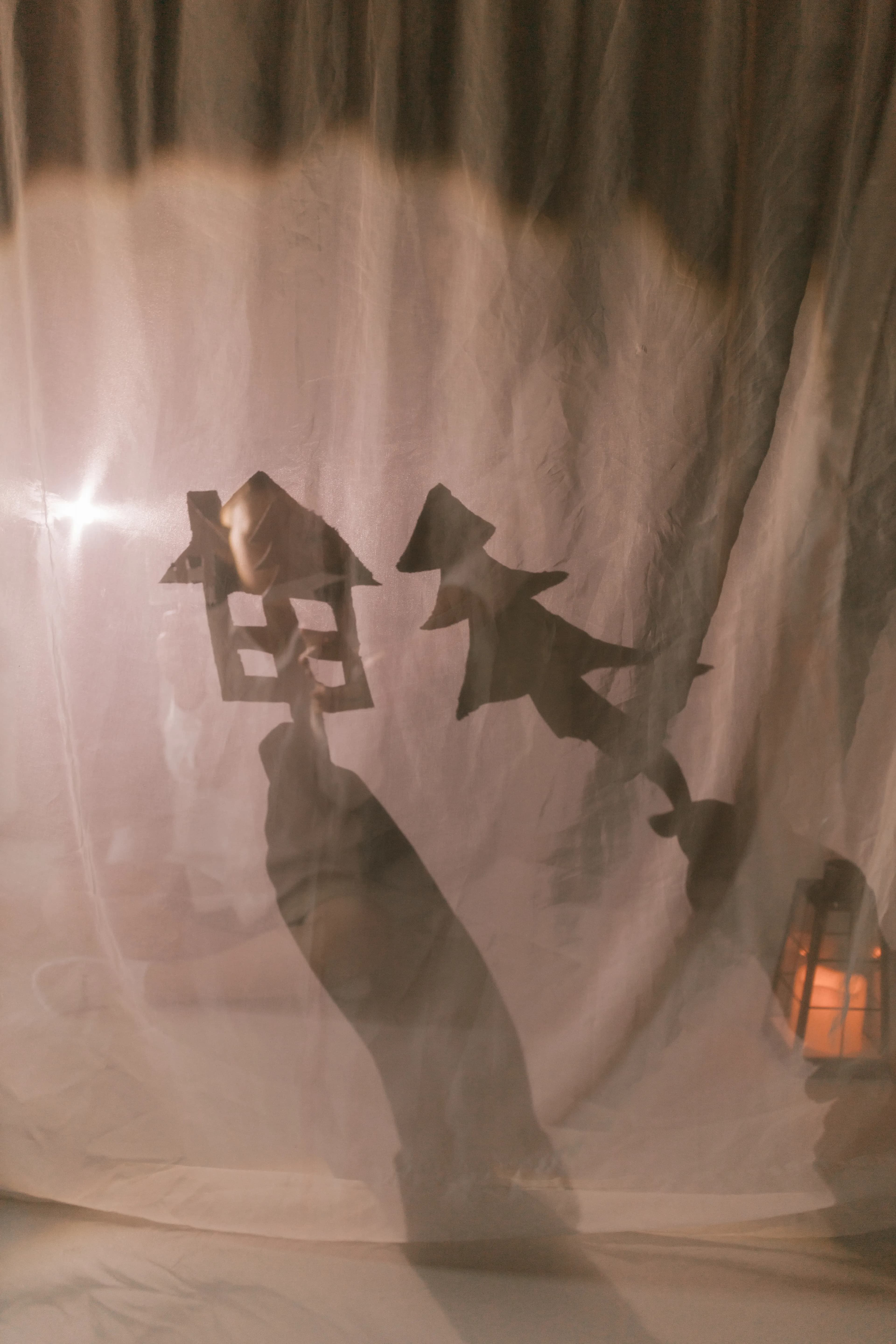
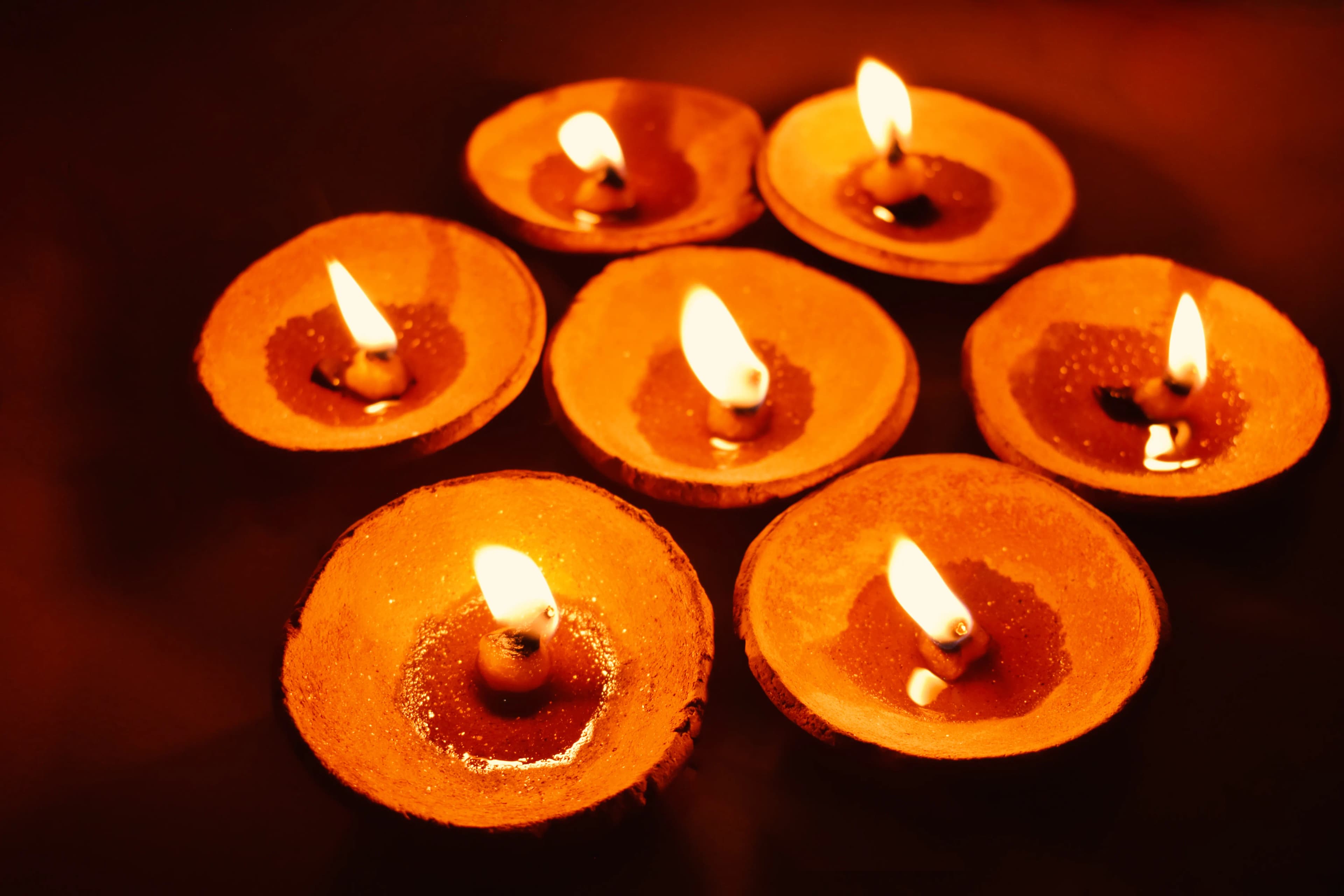
Come mid-August, back lanes, padang and community halls across Malaysia will fill with a very specific kind of stage.
Rows of white plastic chairs go up in front of it. The first two or three rows always stay empty, even once the crowd behind them is three deep.
Nobody sits there. It isn't reserved for VIPs or committee members.
What Getai Actually Is (And Why the Front Row Stays Empty)
The shows are called getai — literally "song stage" — and they're the loud, neon-lit centrepiece of the Hungry Ghost Festival, observed during the seventh month of the Chinese lunar calendar.
The festival goes by several names depending on who's marking it: Zhong Yuan Jie in Taoist practice, Yu Lan in Buddhist tradition, or Phor Thor in Hokkien, the term most Malaysians actually use. Chinese communities across the country believe the gates of the afterlife open during this month, letting spirits roam the earthly realm.
Getai shows exist to entertain those spirits as much as the living audience. Before anyone sings a note, performers pay homage to Da Shi Ye — also known as Tai Su Yeah in Hokkien, the guardian deity overseeing the wandering spirits — and the front rows are cordoned off with offerings of tea, incense and alcohol laid out for unseen guests.
In 2026, the seventh lunar month runs from 13 August to around 10 September, with Ghost Day itself — the most important date, when offerings peak — falling on 27 August.
The Craftsmen Ageing Out of a Living Tradition
The festival's most visible symbol is arguably the towering paper effigy of the King of Hades, burned in a send-off ritual once the month ends.
For over a decade, that effigy at Kedah's Tow Boo Keong Temple in Mergong was the work of one man: master temple artisan Gan Kheng Leong, known affectionately as "Little White Dragon." He apprenticed under his father at age 11 and spent roughly 40 years in temple craftsmanship, building the temple's effigy annually from 2013, growing it taller each year until one entered the Malaysian Book of Records at 12.98 metres. His final effigy, completed in 2024, stood 14.8 metres. He died in June 2026 at 66, reportedly still briefing his workers on unfinished jobs from his hospital bed.
Similar strain shows up on the getai stage itself. Chian Kim Lan, a 62-year-old glove puppeteer with the Jin Peng Bu Dai Xi group, performs bu dai xi — Chinese glove puppetry — narrating in Hokkien, Hakka and Cantonese to suit whichever community has booked her. She's told local reporters she worries about who comes after her.
"I try to teach the younger generation, but no one wants to learn," she said, noting most young people now prefer office jobs over the craft.
Not Everyone Is Walking Away
The picture isn't purely one of decline. Getai singing itself, as opposed to puppetry or opera, still draws performers in their twenties.
Winnie Hau, 29, and Joey Yong, 26, both perform regularly during the festival season, switching between Hokkien songs and pop numbers depending on the crowd — the same dialect-hopping fluency that shows up across why Malaysians switch languages mid-sentence more broadly. Yong has been performing for a decade and says she still gets nervous before every show; Hau describes forgetting the pre-show ritual once, injuring her leg on stage, and now treats the homage to Da Shi Ye as non-negotiable.
Master mediums involved in organising these events say audiences increasingly favour song over traditional opera — a shift in taste rather than a wholesale abandonment of the season.
From Back-Lane Ritual to State Heritage
The festival is also getting an unusual upgrade: official recognition.
Penang is in the process of gazetting its Teong Guan Phor Thor celebration as a state religious heritage tradition under the Penang State Heritage Enactment 2011, state tourism exco Wong Hon Wai announced in May 2026. It's the first step toward a possible national heritage listing, and eventually, nomination to UNESCO's Representative List of Intangible Cultural Heritage.
Locally, the festival still runs on community fundraising and permits. In Kuala Lumpur, one long-running Sri Petaling event has organised getai for 16 years, raising RM36,000 last year alone for Chinese vernacular schools — even as organisers describe ongoing difficulty securing permits from City Hall. It's a pattern familiar to plenty of Malaysian heritage keepers, not unlike the community effort behind Kristang traditions in Melaka.
Where and When to Catch One in 2026
Getai shows run nightly throughout the seventh lunar month in Chinese-majority neighbourhoods — Kepong, Sri Petaling and Sentul in the Klang Valley, and across Penang's Phor Thor circuit, are reliable bets.
If you go: skip the empty front rows, keep noise respectful during ritual segments, and don't be surprised if the singer opens with a Hokkien number dedicated to Da Shi Ye before anything in Mandarin or English.
FAQ
What is getai?
Getai means "song stage" — live performances of singing, dance, puppetry or opera staged during the Hungry Ghost Festival to entertain both spirits and human audiences.
Why is the front row always empty at getai shows?
Chinese communities believe the front rows are reserved for wandering spirits released during the seventh lunar month, so they're left open with offerings and not occupied by the living audience.
When is Hungry Ghost Festival 2026 in Malaysia?
The seventh lunar month runs from 13 August to around 10 September 2026, with Ghost Day — the main observance date — falling on 27 August.
Can non-Chinese Malaysians watch a getai show?
Yes, getai shows are held in public spaces like back lanes, fields and community halls, and anyone is welcome to watch as long as basic etiquette, such as not sitting in the reserved front rows, is observed.
Who is Da Shi Ye?
Da Shi Ye, also called Tai Su Yeah in Hokkien, is the guardian deity believed to oversee wandering spirits during the Hungry Ghost Festival, ensuring they don't cause harm before returning to the afterlife.