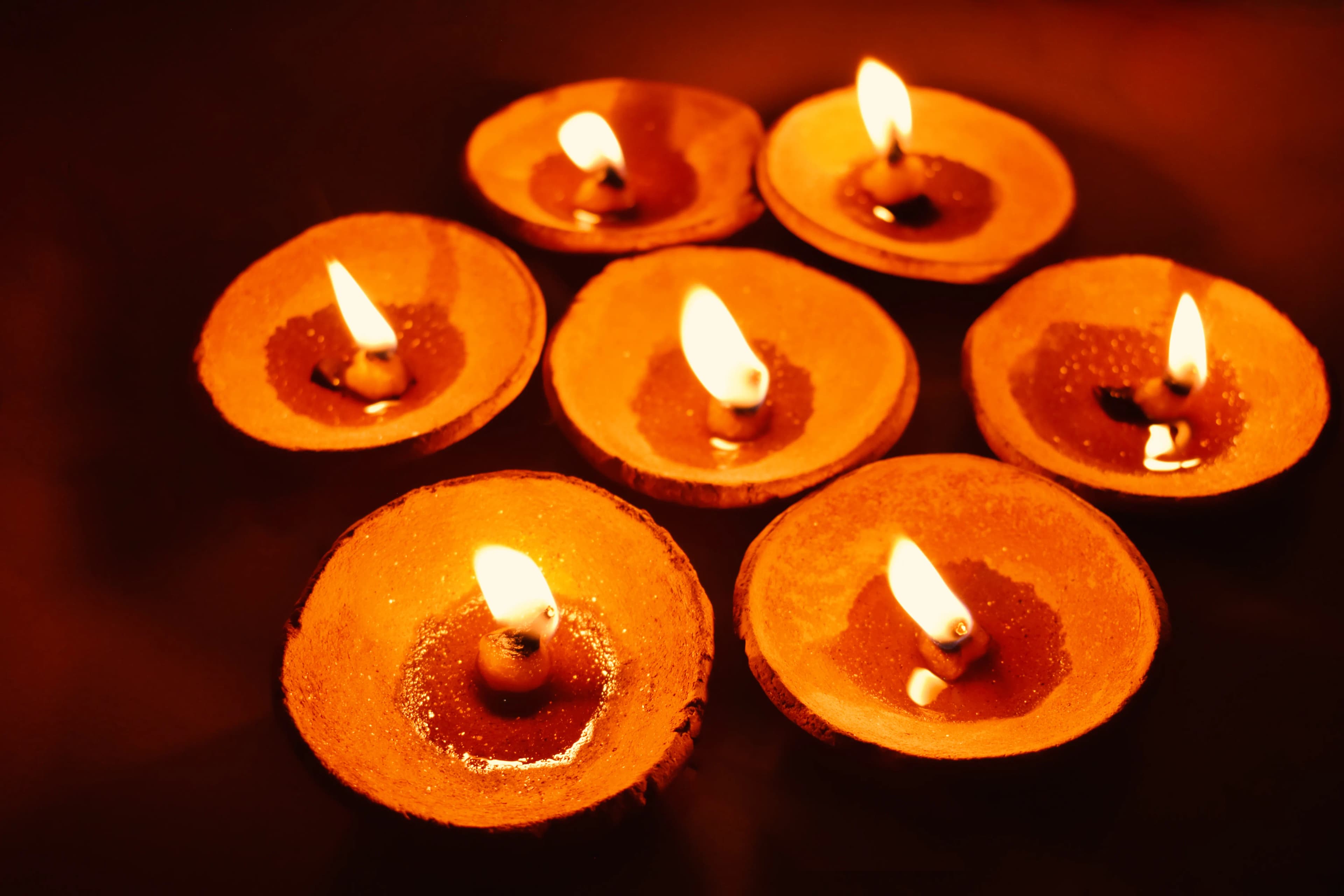
Deepavali traditions in Malaysia start well before the day itself. Homes get scrubbed, sweets get fried, and Brickfields fills up with shoppers weeks ahead. This year the festival falls on Sunday, 08/11/2026.
The customs below are the ones most often described in Malaysian accounts of the festival. Families follow them in different ways, so treat this as a description of common practice, not a rulebook.
What Deepavali marks and when it falls in 2026
Deepavali, also called the Festival of Lights, celebrates the triumph of light over darkness. According to PublicHolidays.com.my, it draws on Hindu legends including the return of Rama to his throne after 14 years of exile, and it honours Lakshmi, the goddess of prosperity.
In 2026 it is a public holiday everywhere in Malaysia except Sarawak. A second holiday falls on Monday, 09/11/2026 in all states except Kedah, Kelantan, Sarawak and Terengganu. That makes a long weekend for most people. Our Deepavali 2026 long-weekend trip plans cover the travel side.
7 Deepavali traditions, explained
1. Cleaning and decorating the home
Homes are thoroughly cleaned and decorated before the festival. ExpatGo describes this as a symbol of removing negativity.
Think of it as the festival's opening move. The house is ready first, and only then does the celebration begin.
2. The oil bath
On the morning of Deepavali, many families begin with a ritual oil bath. It is described as a symbol of purification of the body and soul, according to KL Lifestyle.
ExpatGo places it at dawn. Prayers follow afterwards, so the oil bath sets the tone for the whole day, and the rest of the celebration builds on it.
3. Oil lamps (diyas)
Small clay lamps filled with oil are placed around homes and temples. Lit at night, they give the golden glow that gives the festival its English name.
Some families arrange them in patterns inside and outside the house. The lamps are the literal "light" in the Festival of Lights.
4. Kolam at the doorstep
Kolam are decorative designs made with rice flour, coloured powders and flower petals, laid out before the festival. They mark the entrance to the home.
The geometry is more interesting than it looks. We wrote about it in kolam in Malaysia, the doorstep ritual that is secretly a maths problem.
5. Prayers at home or at the temple
After the oil bath, families pray at home or at a temple. ExpatGo mentions the Sri Mahamariamman Temple in Kuala Lumpur as one place where worshippers gather. Offerings described include flowers, fruits and coconut milk.
Visitors who want to see a temple in action should read our guide to temples and mosques in Kuala Lumpur first. It covers dress and timing.
6. New clothes and settling accounts
New clothes are bought before the celebration. ExpatGo also notes a custom of settling debts and mending relationships before the festival begins.
The idea is a clean start. Accounts are settled and relationships are patched up first, so the festival begins with fewer loose ends.
7. Open houses and sweets
The open house is the part most Malaysians know. According to KL Lifestyle, Malaysian Hindu families open their homes to friends, relatives and even strangers, offering food, sweets and fellowship.
Typical foods include murukku (a crunchy, spiral-shaped snack), laddu, payasam, curries, vegetarian dishes and roti. ExpatGo also lists gulai and samosa. Menus differ from home to home.
Planning around the Deepavali week
Deepavali is set by the lunar calendar, so the date moves each year. In 2025 it fell on 20/10/2025, according to ExpatGo. In 2026 it lands 19 days later, on 08/11/2026.
Here is what that means in practice for the week:
- Sunday, 08/11/2026: Deepavali itself. Oil baths and prayers come in the morning, and open houses run through the day.
- Monday, 09/11/2026: a holiday in most states, which keeps the visiting going. Kedah, Kelantan, Sarawak and Terengganu do not have this extra day.
Sarawak is the exception to the public holiday, so anyone working with teams across states should check the calendar before scheduling anything for that Sunday or Monday.
Deepavali is not only for Hindus
Deepavali is a religious festival for Hindus, but the festive season in Malaysia is shared. KL Lifestyle notes that non-Hindus exchange sweets, light sparklers, wear traditional attire and visit bazaars in cities such as Kuala Lumpur and Penang.
That mix is part of the Malaysian version. A colleague's open-house invitation is a cultural exchange as much as a meal.
Little India in the weeks before Deepavali
Brickfields is the usual starting point. ExpatGo describes stalls selling saris, jewellery, decorations and traditional sweets, with lights and festive music along the streets.
KL Lifestyle also points to Little India as one of the busiest areas in the weeks before the festival. If you plan to go, start early in the day and use public transport. Our Brickfields on foot walking guide has a no-car route.
The festive extras you will notice
Beyond the core customs, the season has its own soundtrack and screen time. ExpatGo notes that streets carry lights and festive music, and that television networks air Deepavali specials.
Those small details matter to how the festival feels. It is not only a day of prayer and visiting. It is a few weeks of shopping, cooking, decorating and catching up, and by the time the lamps are lit, most of the work is already behind the family.
FAQ
When is Deepavali 2026 in Malaysia?
Sunday, 08/11/2026. It is a public holiday in all states except Sarawak. A further holiday falls on 09/11/2026 in most states, excluding Kedah, Kelantan, Sarawak and Terengganu.
What is the oil bath on Deepavali?
It is a ritual bath done in the morning of Deepavali. It is described as a symbol of purification and renewal, and prayers usually follow.
What is a kolam?
A kolam is a decorative pattern made at the entrance to a home using rice flour, coloured powders and flower petals. Families make them before the festival.
Can non-Hindus attend a Deepavali open house?
Yes. Malaysian accounts describe open houses as welcoming to friends, relatives and neighbours. If you are invited, follow the host's lead on customs, and check with them if you are unsure.
What food is served at a Deepavali open house?
Accounts list murukku, laddu, payasam (a sweet milk-based dessert), curries, vegetarian dishes, roti, gulai and samosa. There is no single menu, since each family cooks its own favourites. Ask the host if you have dietary needs.


