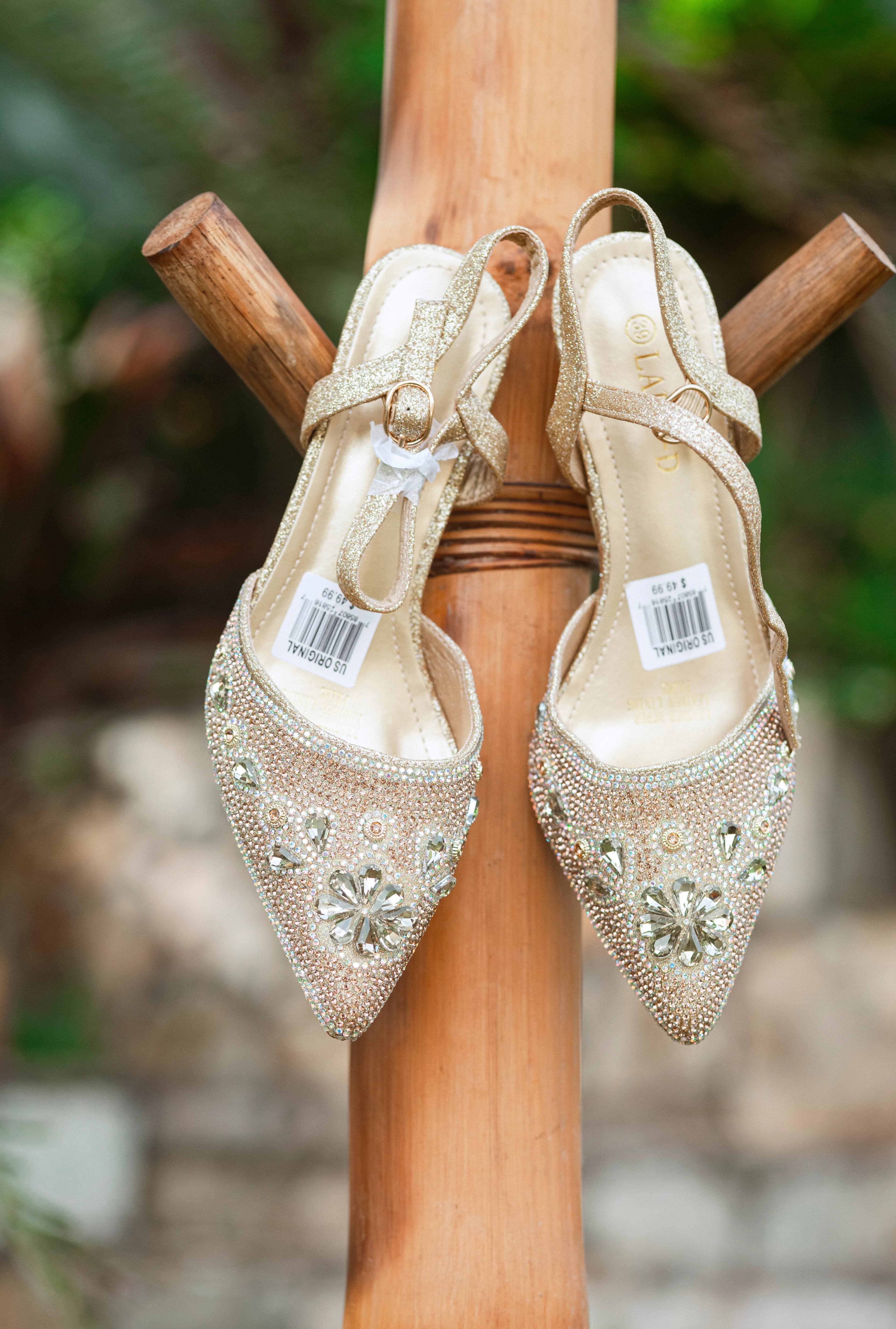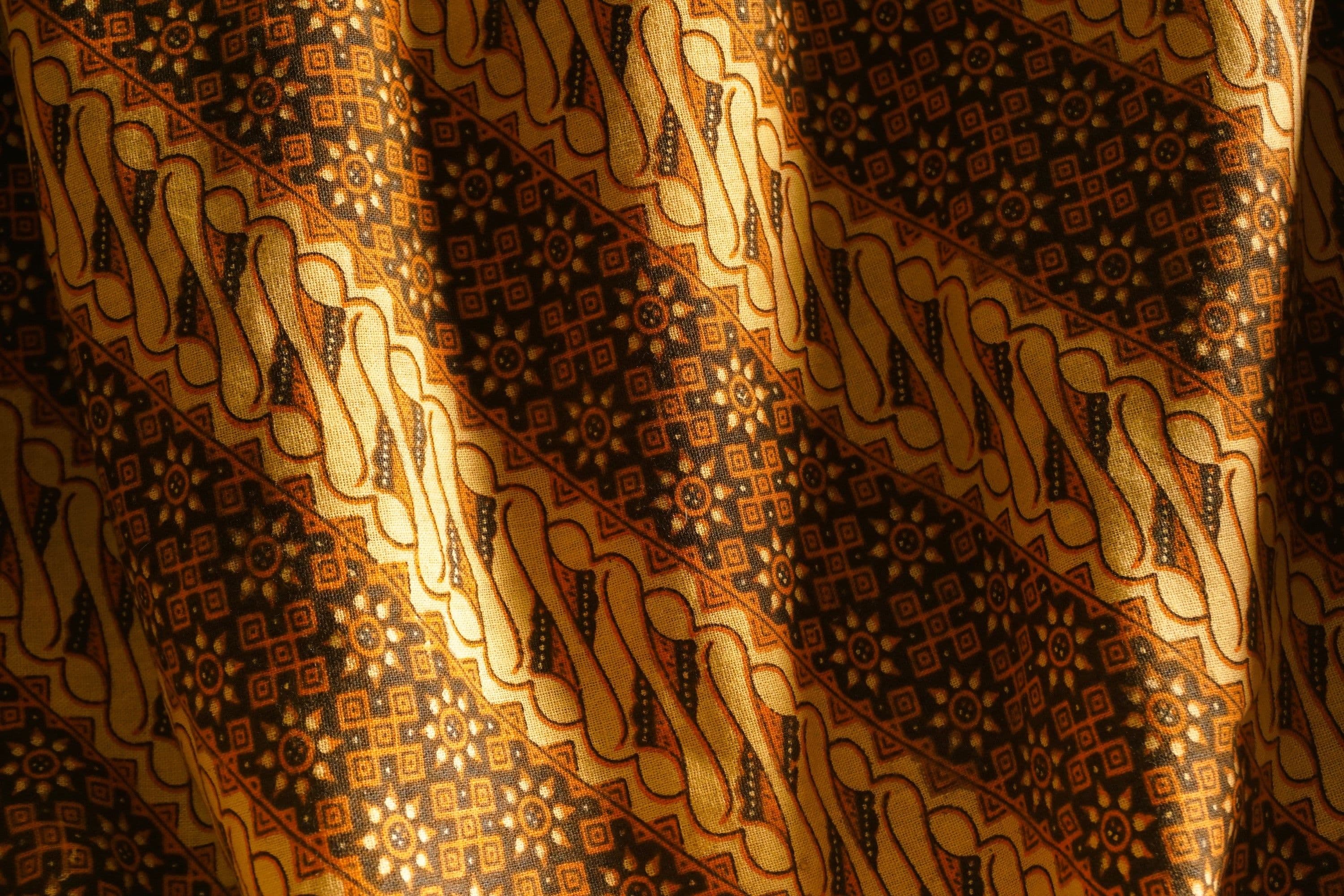
Somewhere between the Thursday batik shirt and the Raya-only kebaya sits a wardrobe gap that a handful of Malaysian labels have spent the last few years quietly filling. Baju kurung, baju melayu and kebaya used to live in two boxes: kampung visits and festive photos, full stop. That's shifting fast. A-line kurung tops now show up under blazers in KL offices. Oversized baju melayu gets worn to gigs and dinners, not just Hari Raya open houses. The silhouettes are the same ones your grandparents wore. The cut, fabric and colour story are not.
Why "Batik Thursday" stopped being a Thursday thing
Malaysian offices have been loosening their dress codes around traditional and traditional-adjacent wear for a while now, and that loosening has started spilling into the rest of the week, not staying confined to one designated day. Traditional-adjacent pieces that can survive an eight-hour workday, a Grab ride and a client meeting are in real demand — not embroidered showpieces, but something you can iron once and wear on repeat without it reading as costume.
That demand is exactly what the four labels below are building for. None of them are new arrivals chasing a trend; each has been reworking these silhouettes for years, and each has a verifiable product line, price point and online storefront to show for it.
Four labels rewriting the baju kurung and baju melayu playbook
Whimsigirl
Founded in 2013 by creative director Syazana Sukiman, Whimsigirl built its name on clean-lined, neutral-toned womenswear made from natural fabrics like ramie and cotton — pieces designed to survive a real day, not just a photo op. Its current Amelie kebaya line takes the long kebaya top and strips it back: minimal embellishment, a relaxed fit, colourways like dusty blue and cherry blossom instead of the usual festive brights. The Amelie 2-Piece Ramie Kebaya Top runs RM280, with the longer version at RM350, both listed on the brand's own site at time of writing. Whimsigirl also runs physical stores at KL East Mall and Bangsar Village II, so this isn't an Instagram-only operation dependent on a single sales channel.
Anaabu
Anaabu.co, founded by Kelantanese designer Ana Abu, treats the baju kurung the way a minimalist might treat a work shirt: high collar, A-line body, knot buttons instead of a plain front opening, and a cotton-blend fabric that doesn't scream "festive." Its Rasa Loose Kurung Top (RM289) is sold as a separate — pair it with a matching skirt for something dressier, or jeans for something you'd genuinely wear to the office on an ordinary Tuesday. Anaabu's own product listings describe the aesthetic plainly: shapes that echo the baju kurung, but volumes and cuts that read as unmistakably contemporary.
Behati
Behati is the loudest name on this list, and deliberately so. Founded by Melaka-born designer Kel Wen in 2018, the label built its reputation on the viral Baju Melayu Oversaiz — a deliberately baggy, unisex reworking of the traditional cekak musang collar and pesak panelling that usually signals formal menswear. Wen has told Vogue Singapore that he designs pieces "youths would want to wear regardless of the occasion," folding in satin, denim and metallic textiles alongside the traditional silhouette. The Baju Melayu Oversaiz in black retails for RM299 on Behati's own site. The label has since dressed Malaysian celebrities and shown collections at Kuala Lumpur Fashion Week.
Mimpikita
Founded by sisters Nurul, Amirah and Syahira Zulkifli, Mimpikita has spent over a decade building a modest-fashion business around kebaya sets that don't need a stylist to put on. Its three-piece kebaya sets — top, inner and skirt, usually finished with a matching batik-print shawl — retail from roughly RM400 to RM650 on the brand's own site, with in-house bespoke tailoring also available for anyone chasing a fully custom fit. The house's design language leans loose and elasticated rather than fitted and boned, which is rather the whole point: comfort first, embroidery second.
The common thread: cut, not compromise
None of these four labels are stripping meaning out of the garments they make. What's changing is fit and fabric — looser bodices, breathable natural fibres, muted or unexpected colourways, collars and buttons reworked for movement instead of ceremony. That's a fashion decision, not a statement about what traditional dress should mean. The baju kurung's A-line silhouette, the baju melayu's cekak musang collar, the kebaya's fitted bodice — all still recognisably themselves. They're just cut for someone wearing them to a 9am meeting rather than a wedding reception.
Styling it for a Monday, not just Raya
The easiest entry point for women is a loose kurung top worn over trousers or a pencil skirt, treated exactly like an overshirt. For men, an oversized baju melayu top works over slim tailored pants without the full traditional trouser set, which keeps it from tipping into costume territory at the office. Neutral colourways — Anaabu's browns and blacks, Whimsigirl's dusty blue — do more of the "this is just my work outfit" work than any single design choice. For a wider view of the homegrown fashion scene beyond traditional wear, this rundown of Malaysian labels is worth a look, and if the kebaya's Peranakan-adjacent history interests you, the recent recognition of Baba Nyonya heritage is a useful primer.
FAQ
Is it okay to wear baju kurung or baju melayu to work if I'm not Malay?
That's a personal and workplace-culture question, not a fashion one, and it varies by office and by individual comfort level. What's true on the style side: none of the labels featured here market their everyday pieces as exclusive to one community, and all sell to a broad customer base.
What's the actual difference between baju kurung and kebaya?
Baju kurung is a loose, minimally shaped two-piece set — top plus matching skirt or trousers. Kebaya is typically a more fitted, often sheer or lace outer layer worn over a matching inner top, with roots closely tied to Peranakan and wider Southeast Asian dress traditions. The labels above rework each differently: kurung toward looser, boxier volumes, kebaya toward simplified, less embellished versions of the fitted original.
Are these labels only relevant during Raya?
No, and that's the entire point of the shift described here. All four brands sell year-round collections alongside their festive-specific drops, and the plainer, unembellished pieces — a solid kurung top, an unadorned baju melayu, a minimal kebaya set — are designed with everyday wear in mind, not just Aidilfitri.
Where can I actually find these labels?
Each brand sells directly through its own website: whimsigirl.com, anaabu.co, behati.my and mimpikita.com.my. Prices for the pieces mentioned here range roughly from RM280 to RM650, depending on whether it's a single piece or a full set.
Do any of these brands have physical stores in Malaysia?
Whimsigirl has retail locations at KL East Mall and Bangsar Village II. Mimpikita and Behati both list a physical store and showroom respectively on their own websites; check each brand's site directly for current addresses, since retail footprints shift over time.