Central Market KL has a branding problem. Ask around and the verdict comes fast: souvenirs, batik magnets, tourists. Locals wave it off as somewhere you take visitors, not somewhere you go yourself.
That verdict skips the interesting part. Central Market, better known as Pasar Seni, is a 1937 Art Deco building that was once slated for the wrecking ball, and it is still standing because people argued for it. Whether you buy anything is almost beside the point.
Why Central Market KL is not a tourist trap
A tourist trap sells you something you do not need at a price you should not pay. That description fits some stalls in any city. It does not describe a building.
The building itself costs nothing to admire. According to The Star, it was built in 1937 in the Art Deco style, and it still functions as a cultural landmark. Its shops sell handicrafts, textiles, souvenirs, collectables, original artworks and traditional snacks.
So the real question is not whether it is a trap. It is whether you are willing to look at what it is.
From wet market to Art Deco landmark
Central Market began as a wet market in 1888, according to Wikipedia's entry. It was built during the British colonial period to serve townspeople and tin miners.
The market grew in stages, with expansions in 1889, 1895, 1920 and 1921. The building you see today was completed in 1937.
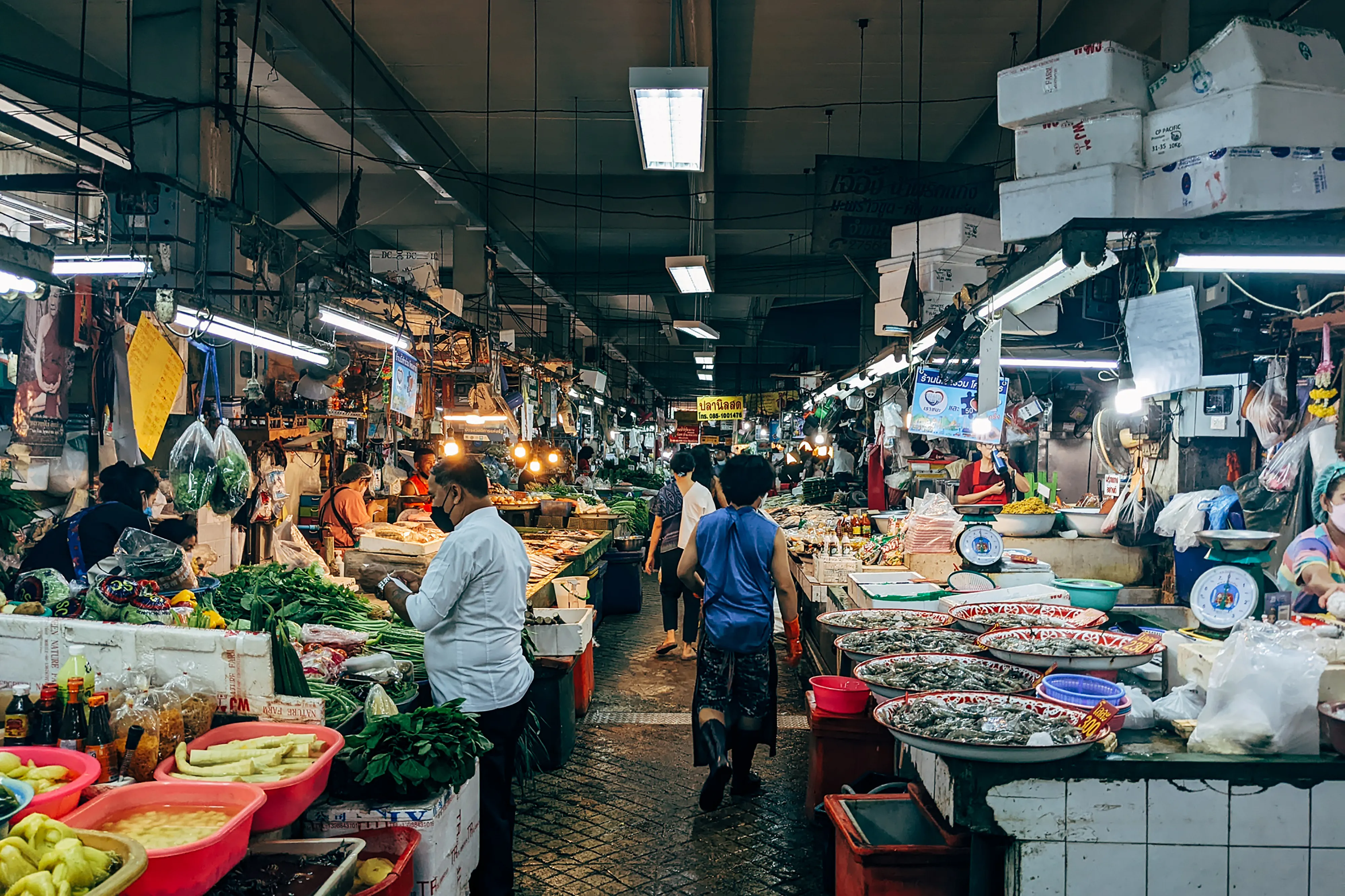
Think about that for a moment. A wet market, the kind of place Malaysians have always used to buy fish, vegetables and gossip, became a landmark in the style of the 1930s. It is a reminder that the humble pasar is where a lot of KL's history happened.
The 1970s: when it nearly disappeared
Rapid development in the 1970s put the building at risk. Wikipedia records that demolition was threatened, and that the Malaysian Heritage Society stepped in to prevent it and helped secure heritage designation for the site.
This is the part worth remembering. KL has lost many old buildings to new towers. Central Market is one of the ones that survived because people made noise about it.
In October 1985, work began to turn it into a new kind of space. It was completed in April 1986 and launched at the PATA Conference that year. The renovated market was air-conditioned and described as inspired by London's Covent Garden.
You can debate whether the makeover was the right call. Adaptive reuse always involves trade-offs. But the alternative in the 1970s was no building at all.
How to visit without the souvenir fatigue
Central Market sits on Jalan Hang Kasturi, near Chinatown and the MRT Pasar Seni station, with views over Sungai Klang, according to The Star. That makes it easy to reach without a car.
A few ways to get more out of it:
- Look up first. Stand outside and take in the 1937 facade before you enter. The building is the main attraction.
- Browse like a local. Skip the first stall. Walk the whole floor once, then decide what interests you.
- Try the Kasturi Walk. This covered, pedestrianised walkway opened in 2011 and offers snacks and souvenirs in an open-air setting.
- Look for something you would use. The Star notes crafts such as batik painting and lists items like tea sets, bags and antiques.
- Check before you go. Opening hours and event schedules change, so confirm them with the centre or its official channels.
The Central Market Annexe, which opened at the back in 2006 with art galleries, is worth asking about too. Confirm its current status when you go.
Pair it with a walk, not a shopping trip
Central Market works best as one stop in a longer loop. Chinatown is next door, and several heritage streets are within walking distance.
Our KL heritage walk routes show how to string old buildings together without a tour. If you want more culture for less money, see the museums in KL and what you pay with a MyKad and our list of free art galleries in KL.
Go early, walk slowly, and leave the shopping for last. The building has already given you the best part for free.
FAQ
What is Central Market KL known as in Malay?
Pasar Seni. The name is also used for the nearby MRT station.
When was Central Market KL built?
It began as a wet market in 1888. The current Art Deco building was completed in 1937.
Is Central Market KL worth visiting?
For the building and the walking loop it anchors, yes. Treat the shopping as optional and check current opening hours before you go.
How do I get to Central Market KL without a car?
Take the MRT to Pasar Seni station. The market is close by, near Chinatown on Jalan Hang Kasturi.