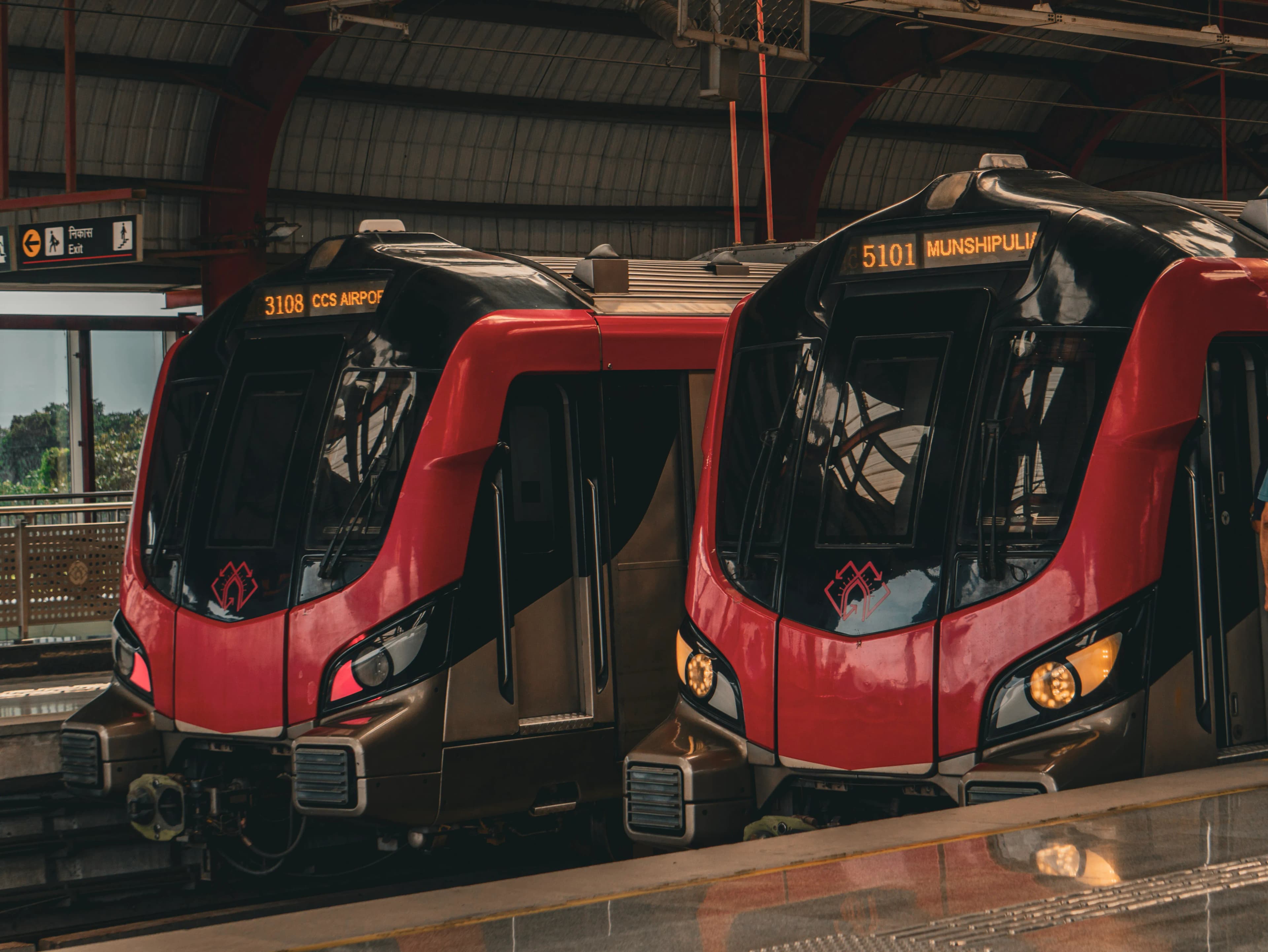
Malaysia quietly finished building something most of us have not used yet: a continuous electrified rail spine running from the Thai border at Padang Besar all the way south to JB Sentral. You can now board at KL Sentral and reach either end of Peninsular Malaysia on a train that tops out at 160km/h.
The car still wins on flexibility. It loses on almost everything else — tolls, fuel, the North–South Expressway on a Friday evening, and the small matter of arriving at your destination too tired to enjoy it.
Six overnight trips that work entirely on rail, plus the booking mechanics that decide what you pay.
First, How ETS Booking Actually Works
Three things to internalise before you pick a destination.
Fares are dynamic. ETS pricing moves with time of day, day of week and demand. The same seat on the same route is not the same price on a Wednesday morning and a Friday evening. This is the single biggest variable in your trip cost.
Book one to two weeks ahead. That window generally gets you the better end of the fare range and, more importantly, gets you a seat at all on peak departures.
Book through the official channel. KTMB sells directly at online.ktmb.com.my. Third-party resellers exist and add nothing except a margin.
There are also service classes — Platinum, Gold and others depending on route — which differ in stopping pattern and price rather than in comfort in any dramatic way. Fewer stops, higher fare.
1. Ipoh — The Easiest Yes
The shortest real trip on this list. KL Sentral to Ipoh runs roughly two to two and three-quarter hours depending on service class, with fares that have historically sat in the RM25–RM55 band before peak-period movement.
That journey time is the whole argument. You leave after breakfast and you are eating white coffee and kai see hor fun by lunch. Ipoh's old town is compact and walkable from the station, which is itself one of the more photogenic colonial buildings in the country.
For a first attempt at car-free travel in Malaysia, this is the one with the smallest downside if you get the timing wrong.
2. Taiping — For People Who Want Nothing to Happen
Taiping sits on the same northern line and asks very little of you. The Lake Gardens, the museum, and a pace of life that makes Ipoh feel frantic.
This is a deliberate anti-itinerary destination. If your weekend goal is to read a book somewhere that is not your apartment, Taiping is engineered for it. The town is small enough that a Grab from the station covers most of what you came for.
3. Butterworth, for Penang
The ETS terminates at Butterworth on the mainland. From there the ferry or the bridge gets you into George Town — and the ferry crossing is genuinely part of the trip rather than a chore.
Penang needs no introduction as a food destination, but arriving by rail changes the shape of the weekend. No parking. No driving after a heavy dinner. George Town is a UNESCO World Heritage Site, one of Malaysia's five, and it is best experienced on foot anyway.
4. Alor Setar — The One Nobody Suggests
Further north on the same line, Alor Setar is the destination most KL weekenders skip entirely, which is most of the appeal.
Kedah's state capital gives you the Menara Alor Setar, the Zahir Mosque, and a rice-bowl landscape that looks nothing like the Klang Valley. It is a longer ride, which makes it a two-night trip rather than a one-nighter, but the line goes there and almost nobody uses it that way.
5. Kluang — The Southern Line's Quiet Win
The Gemas–Johor Bahru electrified double track completed the network's southern half, which means the towns between Gemas and JB are now reachable by fast rail rather than the old diesel timings.
Kluang is the pick. Kluang Rail Coffee sits at the station itself — a kopitiam attached to a railway platform is a specific kind of pleasure — and the surrounding area gives you waterfalls and hill walks without Klang Valley crowds.
The southern line is the least-used part of the ETS network by KL residents, mostly out of habit.
6. Johor Bahru — Now With Twice the Services
This is where 2026 changes things materially.
Malay Mail reported that four additional ETS services were added on the KL Sentral–JB Sentral route, bringing the total to eight daily services. Two existing Padang Besar–Segamat services were extended through to JB Sentral, creating direct northern-to-southern access. The Shuttle Timuran between Gemas and Kuala Lipis also went from four to six daily services.
Eight daily KL–JB services is the difference between "the train is an option" and "the train is the default." Journey time has been reported at around four hours, with fares starting near RM73 and business class considerably higher.
JB itself is a legitimate weekend now rather than a transit point — and if you are crossing into Singapore, arriving at JB Sentral puts you at the checkpoint without a car in the queue.
What This Costs Versus Driving
Rail rarely wins on headline price for a group of four sharing a car. It wins on everything else: no toll, no fuel, no parking, no driver who cannot drink, and no three hours of your weekend spent watching brake lights.
For solo travellers and couples, the maths is often straightforwardly in rail's favour once you price fuel, tolls and parking honestly.
Booking Notes Worth Repeating
- Check the timetable on ktmb.com.my before you commit to dates. Schedules shift on public holidays.
- Public holidays and school breaks are exactly when dynamic pricing bites hardest. With Malaysia Day falling midweek this year, the surrounding weekends are worth booking early.
- Domestic rail is one of the few genuinely underused pieces of Malaysian tourism infrastructure — a point worth remembering during Visit Malaysia 2026, when the emphasis falls almost entirely on inbound visitors.
FAQ
How long does the ETS take from KL to Ipoh?
Roughly two to two and three-quarter hours, depending on the service class and how many stops it makes.
Where do I book ETS tickets?
Through KTMB directly at online.ktmb.com.my, or at station counters. Third-party sites resell the same inventory.
Does the ETS go all the way to Penang island?
No. The line terminates at Butterworth on the mainland. You cross to George Town by ferry or over the bridge.
How far ahead should I book?
One to two weeks is the general guidance. Fares are dynamic, and peak departures on weekends and holidays sell out.
Can I take the train from KL to Johor Bahru?
Yes. As of 2026 there are eight daily ETS services on the KL Sentral–JB Sentral route, up from four, with a journey time reported at around four hours.
Is the whole west coast line electrified?
Yes. The double-track electrified line now runs continuously from Padang Besar at the Thai border down to JB Sentral, following completion of the Gemas–Johor Bahru project.