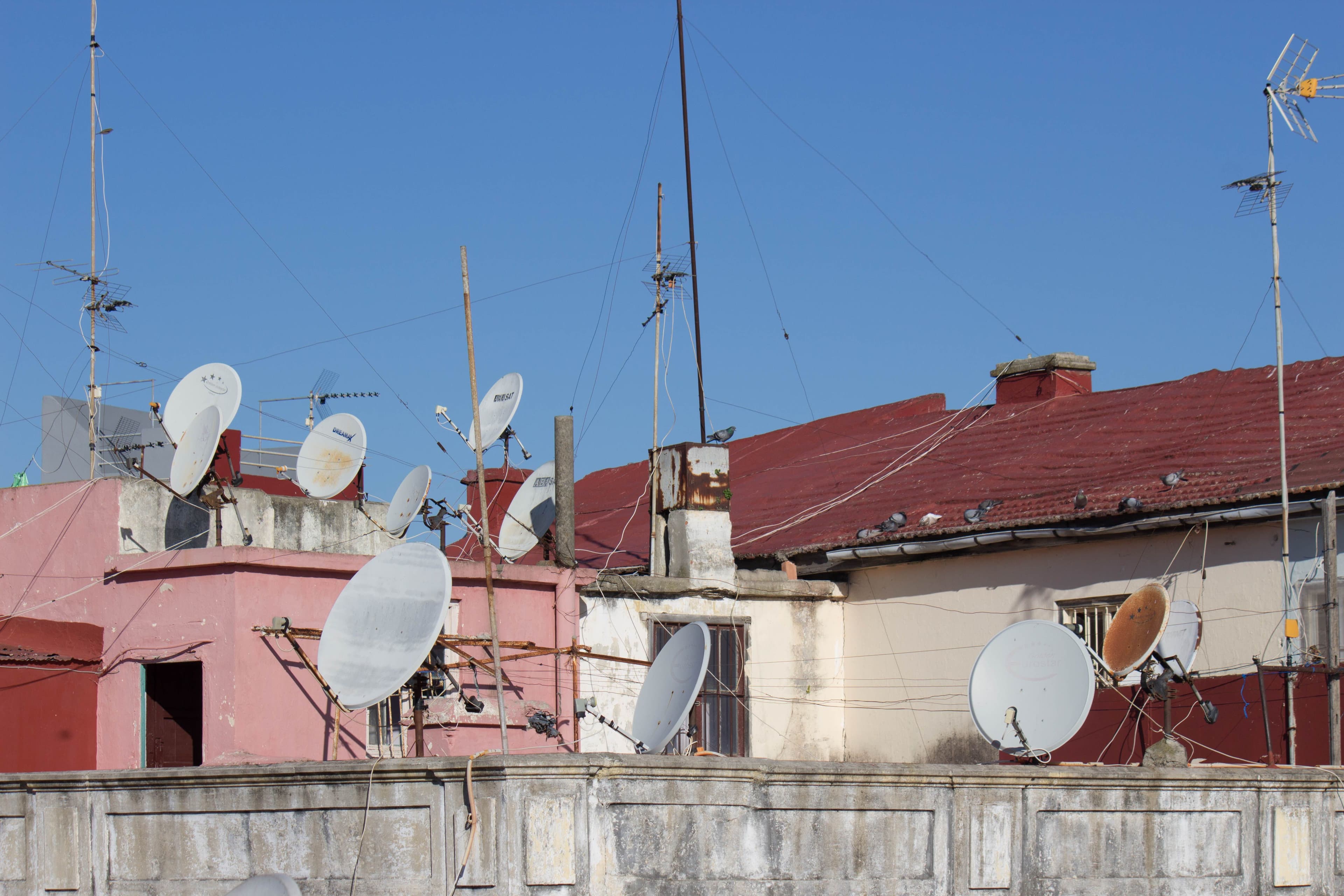
Starlink Malaysia has spent three years promising to fix the internet problem no fibre operator wanted to touch — the kampung two hours past the last exchange, the palm oil estate with more hectares than bars of signal, the fishing trawler somewhere off Bintulu. In 2026, the pitch is more mature, the pricing has quietly gone up twice this year, and the real question for most Malaysian households isn't whether Starlink works. It's whether it's worth paying RM235 a month for something Unifi or TIME might do for less than half that, if fibre already reaches your street.
This isn't another "how to unbox your dish" guide. It's a straight look at what Starlink actually costs right now, what its coverage claims do and don't mean, and who in Malaysia genuinely gains from it versus who's just paying extra for a dish on the roof.
What Starlink Actually Costs in Malaysia Right Now
Starlink quietly reshuffled its Malaysian plans in June 2026. The old Residential Lite plan (RM129/month, roughly 130Mbps) was pulled and replaced with a "Residential 100" tier that costs more and promises less — RM135/month for speeds capped at 100Mbps. The standard Residential plan also went up, from RM220 to RM235 a month, for unlimited data at speeds up to 400Mbps.
| Plan | Monthly fee | Speed | Best for |
|---|---|---|---|
| Residential 100 | RM135 | Up to 100Mbps | Light home use, budget-conscious |
| Residential | RM235 | Up to 400Mbps | Households, heavier streaming/work |
| Business | From RM217 | Priority traffic | SMEs, plantations, offices |
| Roam | From RM220 | Variable, mobile | Travel, marine, remote sites |
On top of the monthly fee, there's hardware. The compact Starlink Mini kit runs RM930, while the more powerful Standard V4 kit — the one Starlink recommends for streaming, video calls, and multiple devices — costs RM1,600. Neither price includes installation; Starlink is designed to be self-installed, which keeps the sticker price down but assumes you're comfortable mounting a dish yourself.
Do the maths on year one: a Residential plan plus the Standard kit runs close to RM4,420 before you've streamed a single episode. That's the number that should anchor every "is it worth it" conversation.
How Starlink Malaysia's Licensing and Coverage Actually Work
Starlink Internet Services Malaysia Sdn Bhd has held a Network Facility Provider and Network Service Provider licence from the Malaysian Communications and Multimedia Commission since 17 July 2023, valid for ten years. The approval was notable because Starlink didn't meet the usual 49% local equity requirement applied to NFP/NSP licence holders — MCMC allowed it to operate 100% foreign-owned anyway, citing the value the service brings to underserved areas.
Technically, Starlink's low-earth-orbit satellites sit around 550km up, which is what cuts latency down to roughly 25–50 milliseconds and supports speeds up to 400Mbps — a real improvement over older geostationary satellite broadband, which routinely sat above 600ms.
One number to be careful with: Malaysia's JENDELA national broadband plan hit 99.71% internet coverage in populated areas by the end of 2025, up from 91.8% in 2020. That's a national terrestrial-network figure, not a Starlink coverage statistic — the two get conflated a lot online. The actual gap Starlink is chasing is narrower and more specific: government data from mid-2025 put 5G penetration in rural Sarawak and Sabah at roughly 63.8% and 68.6% respectively, well below the national picture.
Starlink vs Fibre: The Real Comparison for KL and Klang Valley Households
If Unifi or TIME already reaches your address, the case for switching to Starlink is weak. TIME's no-contract 200Mbps plan runs around RM99/month, with a 600Mbps tier at roughly RM139/month. Unifi's entry-level 100Mbps fibre plans have hovered around RM99–129/month depending on ongoing promotions. Both come without a dish on the roof, without weather sensitivity, and without a four-figure hardware bill.
Starlink's Residential plan at RM235/month for up to 400Mbps only starts to look competitive against TIME's 600Mbps-for-RM139 or Unifi's cheaper entry tiers if fibre simply isn't an option where you live. For condo dwellers in KL with Unifi already wired into the unit, Starlink makes far more sense as an emergency backup than a primary line — and even then, a second SIM-based mobile hotspot from Maxis, Celcom, or U Mobile is usually a cheaper way to cover an outage than a RM1,600 dish sitting idle most of the year.
Who Actually Benefits from Starlink in Malaysia
The households and businesses where Starlink earns its keep tend to share one trait: fibre was never coming.
- Rural Sabah and Sarawak homes and longhouses beyond the fibre backhaul, where Starlink is often the first stable connection available at all, not just the fastest option.
- Plantation and estate operators who need reliable connectivity for payroll, logistics, and LHDN e-invoicing compliance across sites with no cable infrastructure nearby.
- Marine and offshore users — fishing trawlers, coastal fleets, and offshore energy platforms — where satellite has always been the only option and Starlink undercuts legacy satcom pricing.
- Remote workers and digital nomads who move between locations and need connectivity that isn't tied to one address, via the Roam plan — though for most Klang Valley freelancers, a laptop-friendly café with solid Wi-Fi is still the cheaper daily fix.
- KL condo households treating it purely as an outage backup, provided the RM1,600–930 hardware cost and RM217–235 monthly fee genuinely beat the alternative of a backup mobile hotspot.
For everyone else — anyone with Unifi, TIME, or Maxis fibre already reaching the unit — Starlink is an expensive answer to a problem they don't have.
The 2026 Developments Worth Watching
The most concrete sign that Starlink is moving from consumer novelty to infrastructure play in Malaysia is IEC Telecom Group's new Kuala Lumpur operations hub, officially launched on 3 March 2026. It's the company's third APAC office after two decades in Singapore, and it makes IEC Telecom an authorised Starlink reseller focused specifically on East Malaysia's last-mile gap, plus the maritime and energy sectors.
Unlike a consumer Starlink kit bought off the shelf, IEC Telecom's offering is built as an "enterprise-grade" managed service on its own network layer, aimed at government and industrial logistics clients, with deployments scheduled from Q2 2026. The company points to a 2024 proof-of-concept in Hulu Selangor, where satellite backhaul brought internet access to Orang Asli communities, as the template it's now scaling.
That's the more interesting Starlink story for 2026 — less about individual households debating dish versus fibre, and more about satellite quietly becoming standard infrastructure for the parts of Malaysia terrestrial networks still can't reach economically.
FAQ
How much does Starlink cost per month in Malaysia?
As of July 2026, Starlink Malaysia's Residential plan costs RM235/month for speeds up to 400Mbps, while the cheaper Residential 100 tier costs RM135/month for speeds up to 100Mbps. Business plans start from RM217/month and Roam plans from RM220/month, on top of hardware costing RM930 (Mini) or RM1,600 (Standard V4).
Is Starlink legal and licensed to operate in Malaysia?
Yes. MCMC granted Starlink Internet Services Malaysia Sdn Bhd a ten-year Network Facility Provider and Network Service Provider licence on 17 July 2023, allowing it to operate despite being 100% foreign-owned.
Is Starlink better than Unifi or TIME fibre in Malaysia?
Not where fibre already reaches you. TIME and Unifi entry-level plans typically cost RM99–139/month for comparable or faster speeds without a dish or four-figure hardware cost. Starlink's advantage shows up mainly where fibre infrastructure doesn't exist.
Does Starlink actually work in rural Sabah and Sarawak?
Yes, and this is arguably its strongest use case in Malaysia, given documented 5G penetration gaps in those states versus the national average. It's frequently the first stable connection available in longhouses and estates beyond fibre backhaul reach.
Can Malaysian businesses use Starlink for plantation or marine operations?
Yes. Starlink's Business and Roam plans, along with enterprise resellers like IEC Telecom, specifically target plantation, logistics, maritime, and offshore energy use cases where terrestrial connectivity isn't viable.