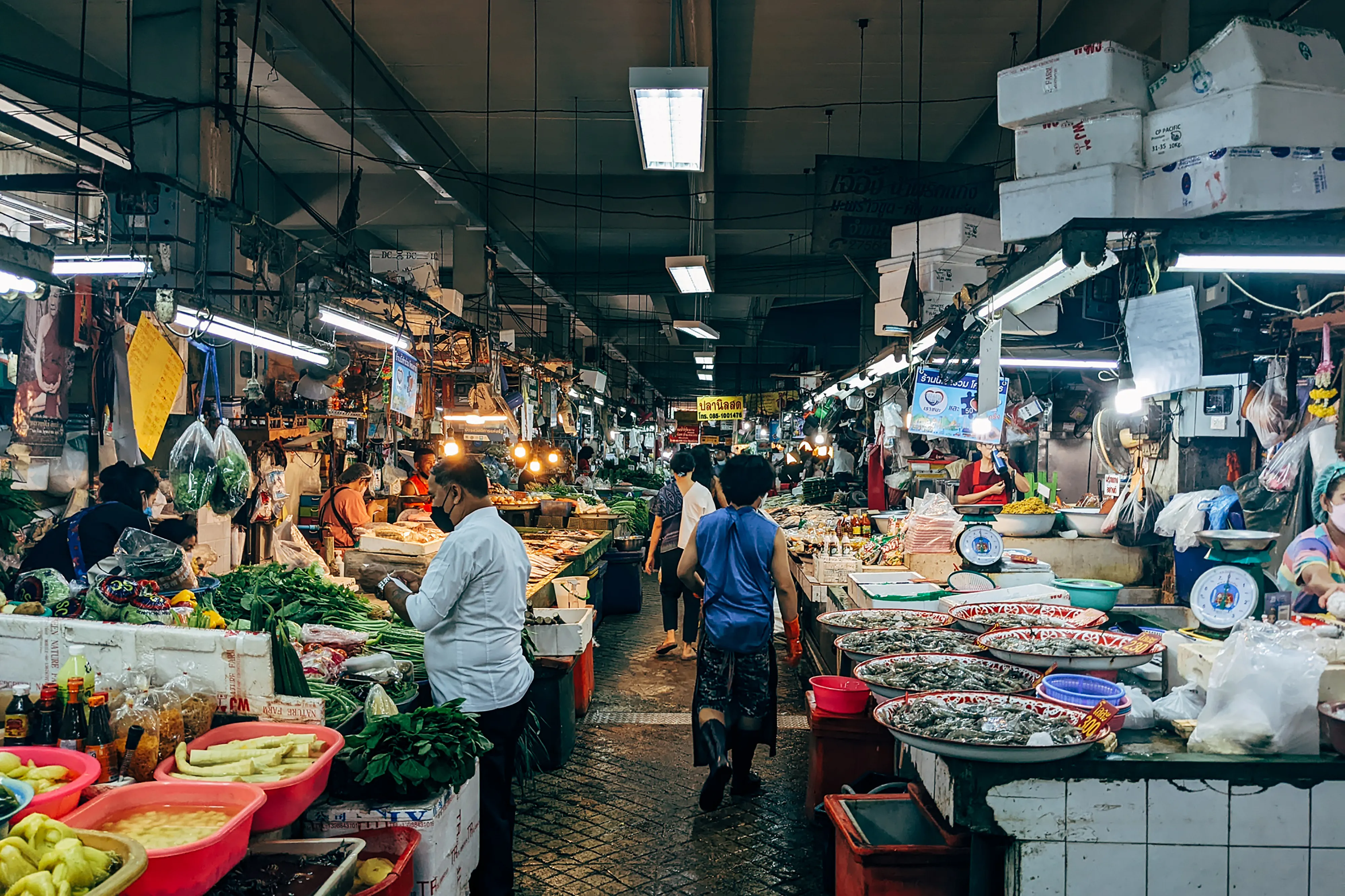
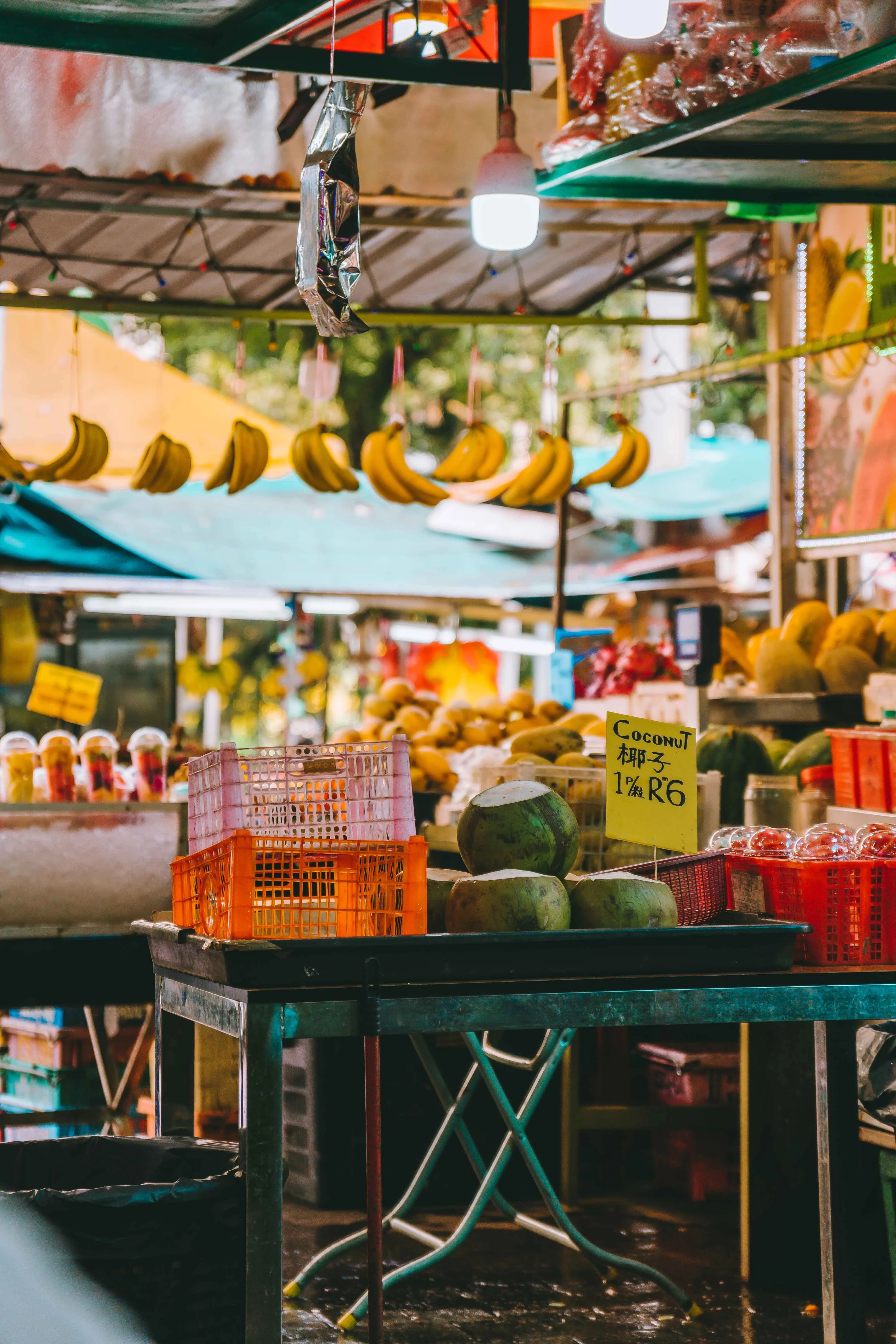
Every Klang Valley group chat has had this argument at least once. Someone says Taman Connaught is overrated, someone else says SS2 peaked a decade ago, and somebody's cousin insists the real pasar malam ("night market," from the Malay) is some place in Cheras nobody outside the neighbourhood has heard of. Everyone is a little bit right, which is the point. Pasar malam are not one thing — they're a weekly rotation of streets that turn into markets, and the good ones and the mediocre ones look almost identical from a distance.
So what actually separates a pasar malam worth crossing town for from one you'd only visit if it were five minutes from your house? A few things, and none are about size.
What Makes a Pasar Malam Good, Really
Stall turnover matters more than stall count. A market with 700 stalls that are mostly phone cases and towels is worse than one with 150 stalls where a third sell food. Locals-to-tourists ratio matters too — not because tourists ruin things, but because a market that still runs mainly for the neighbourhood keeps its prices honest and its food unchanged. And crucially: does it still smell like actual cooking, or has it become a walking mall of packaged snacks? The best pasar malam in the Klang Valley pass all three tests. Most don't fail completely, they just fail one.
Taman Connaught Earns the Hype, Mostly
Taman Connaught in Cheras runs every Wednesday evening and is, by most counts, the longest pasar malam in the country — a stretch of more than two kilometres with several hundred stalls, according to multiple local food guides. It is genuinely impressive in scale, and the food selection (chee cheong fun with three sauces, curry laksa, sugarcane juice, kuih of every colour) is hard to match anywhere else in one visit. The catch is that its size is also its weakness: on a good Wednesday it is shoulder-to-shoulder for most of its length, and somewhere along that stretch you will queue for something that turns out mediocre. It's worth the trip. It is not automatically the best one, just the most famous.
OUG Is the One Locals Don't Bring Up First
Old Klang Road's OUG market runs Thursdays on Jalan Hujan Emas and has none of Connaught's scale, which is exactly why it works. It's smaller, mostly Malaysian-Chinese in character without being exclusive, and the crowd skews heavily toward people who live within walking distance. It's the version of a pasar malam that existed before anyone thought to photograph it — family-run stalls that have held the same spot for years, prices that haven't chased the tourist market, food cooked at a pace that suggests the vendor isn't performing for anyone.
SS2 and TTDI Cover the Rest of the Week
SS2 in Petaling Jaya runs Mondays and remains one of the most reliably crowded markets in the Klang Valley, drawing a mixed, multi-generational crowd that treats it as a weekly ritual. TTDI's market runs Sundays and leans slightly more residential and low-key, while Taman Megah, also in PJ, runs Sunday evenings as a smaller, less chaotic alternative for people who find SS2 overwhelming. None of these need a translator to enjoy — pasar malam is one of the few settings in Kuala Lumpur where Malay, Chinese and Tamil genuinely overlap mid-sentence between vendor and customer, the same conversational code-switching covered elsewhere on this site playing out over a stall counter.
Why Pasar Malam Matter More Than the Ranking Suggests
It's easy to treat this as a food-crawl exercise, but a 2025 Khazanah Research Institute discussion paper, reported by Malay Mail, found that night markets account for the largest single share of informal business licences issued in Kuala Lumpur — 33.9 percent as of 2023, per Kuala Lumpur City Hall (DBKL) data cited in the paper. The research also highlighted how pasar malam give single mothers and informal caregivers flexible, low-barrier entry into earning an income, something no mall or food court replicates. DBKL's own facilities listing shows nearly a hundred officially recognised night market sites across Kuala Lumpur alone.
None of that is why anyone goes on a Wednesday night, but the clothing stall next to the char kway teow vendor is often somebody's entire livelihood, not a side hustle. It's the same informal-economy instinct that keeps thrifting culture alive across Malaysia — different goods, same logic of retail surviving outside the mall system.
The Thing That Could Actually Kill a Good Pasar Malam
The Khazanah paper also flags something less romantic: rising middle-class expectations around hygiene, food safety and convenience are quietly reshaping what shoppers will tolerate from an outdoor market. DBKL has responded with tighter licensing — a February 2026 Malay Mail explainer on hawker rules notes mandatory typhoid vaccination, food handling certificates and a shift toward biodegradable packaging, all sensible on paper. But every new compliance layer raises the cost of running a stall, and that cost lands hardest on the smallest vendors — the ones a good pasar malam needs to stay distinct from a hawker mall with better lighting. If Kuala Lumpur wants to keep this format, not just its highlight reel, that tension is the one worth watching, more than whether one street has more stalls than another. The same logic applies to the kopitiam versus mamak comparison covered on this site — informal food culture in Malaysia keeps surviving by adapting, not by staying frozen.
FAQ
What day does the Taman Connaught pasar malam run?
Wednesday evenings, along Jalan Cerdas in Cheras — widely cited as the longest night market in the country by stretch and stall count.
Is SS2 pasar malam only on Mondays?
The main SS2 market runs Mondays. Some sources note a separate Chow Yang pasar malam nearby on Thursdays, so check before planning around a specific day.
Do I need cash at a pasar malam?
Cash is still the safer bet, though QR-code payments are common at larger markets like Connaught and SS2. Smaller markets like OUG lean more cash-heavy.
Are pasar malam regulated for hygiene and safety?
Yes — DBKL requires licensed hawkers to hold food handling certificates and typhoid vaccinations, and enforces rules on packaging, waste disposal and site boundaries.
What's the difference between a pasar malam and a pasar pagi?
Pasar malam ("night market") runs evenings and leans toward cooked food and casual shopping. Pasar pagi ("morning market") runs early and is mostly fresh produce and groceries for the day's cooking.